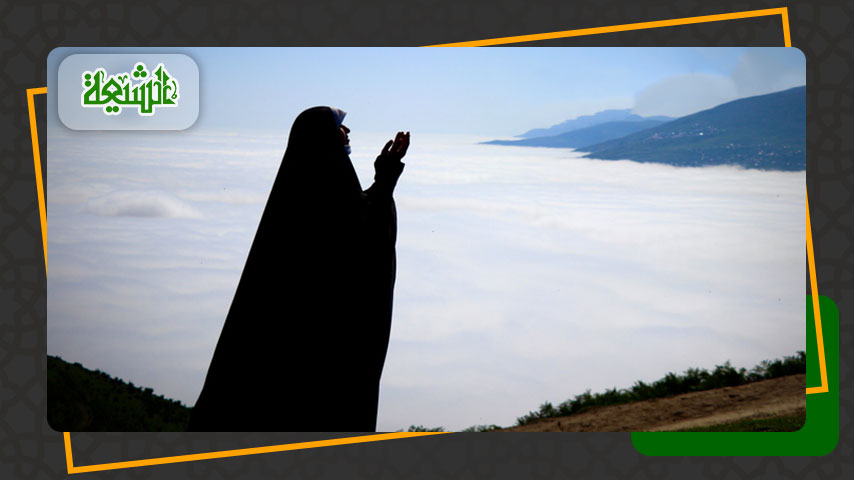



Supplication (dua) is one of the most intimate forms of worship in Islam. Through supplication, a believer turns to Allah with humility, expresses dependence upon Him, seeks His mercy, and places his or her hopes and concerns before Him. Among the supplications emphasised in the teachings of the Ahl al-Bayt (a.s.) is dua for Imam al-Zaman, particularly praying for the hastening of the divinely ordained reappearance of Imam al-Zaman, the Imam of our time and the awaited saviour.
The objective of this research is to examine the blessings and effects of dua for Imam al-Zaman, particularly dua for the well-being, protection, and reappearance of Imam al-Zaman.
What Does Dua for Imam al-Zaman Mean?
Dua for Imam al-Zaman does not mean that the believer considers the Imam to be independent of Allah. Rather, dua for the Imam means asking Allah to protect His Proof, hasten the Imam’s relief according to divine wisdom, establish justice through his reappearance, and enable believers to remain faithful and prepared.
One of the central teachings highlighted in the source is the statement attributed to Imam al-Mahdi (a.s.): “Frequently pray for the hastening of the relief, for indeed, in that lies your own relief.”[1] This statement gives dua for Imam al-Zaman a profound meaning. The faraj (relief) of the Imam is not presented merely as an event benefiting the Imam himself; it is also described as the believer’s own relief. Therefore, the spiritual and social transformation associated with the Imam’s reappearance is something for which believers are encouraged to pray.
In addition, the dua for the Imam is considered one way of fulfilling the rights of the Imam. Recognising the Imam, obeying Allah, maintaining loyalty to the Ahl al-Bayt (a.s.), and praying for the Imam’s relief (Faraj) are presented as interconnected responsibilities. Consequently, the effects of dua for the Imam begin even before the hoped-for event occurs. A person who regularly makes dua for the twelfth Imam is repeatedly reminded of his religious identity, his responsibility toward Allah, and the necessity of remaining faithful during the period of occultation.
A well-known dua for Imam al-Mahdi requests Allah to be a guardian, protector, leader, helper, guide, and supporter of His representative, the son of Imam al-Hasan al-ʿAskari (a.s.), until Allah establishes him upon the earth[2].
Thus, dua for the Imam expresses both devotion to the Imam and dependence upon Allah. Through dua for the Imam, the believer directs his hopes toward Allah while maintaining devotion, loyalty, and commitment to the Imam.
The Ahl al-Bayt (a.s.) And Dua for Imam al-Mahdi
One of the strongest themes in the source is that dua for Imam al-Mahdi was not introduced merely as a later devotional custom. Rather, numerous supplications are attributed to the Imams in which they asked Allah for the Imam’s relief and reappearance. These reports provide a basis for understanding dua for the Imam as a practice rooted in the devotional teachings of the Ahl al-Bayt (a.s.).
Among those mentioned are supplications attributed to Imam Ali[3], Imam Zayn al-Abideen[4] , Imam al-Bāqir[5], Imam al-Sadiq[6], Imam al-Rida[7], and Imam al-ʿAskari[8]. Some of these supplications were recited at particular times, including after prayers and on special occasions. Their reported practice therefore provides an important context for understanding the place of dua for Imam al-Zaman in the devotional tradition of the Ahl al-Bayt.
This practice is significant because the Imams were themselves fully aware of Allah’s wisdom and the divine timing of the Imam’s reappearance. Their persistent supplication teaches believers that awaiting the Imam does not mean remaining spiritually passive. Rather, dua for Imam al-Mahdi involves turning to Allah, maintaining hope, and asking Him for the realisation of His promise.
The believer therefore follows the example of the Ahl al-Bayt when making dua for Imam al-Zaman part of daily supplication. Through dua for Imam al-Mahdi, the believer remembers Imam al-Mahdi (ʿaj), maintains hope for his relief and reappearance, and continues the devotional practice attributed to the Ahl al-Bayt.
Some Recommended Dua for Imam al-Mahdi
Islamic devotional literature contains several important supplications associated with Imam al-Mahdi (ʿaj). These supplications differ in wording, context, and transmission, but together they provide believers with different ways of expressing their relationship with the Imam. Among them, dua for the Imam of Our Time occupies an important place in devotional practice, particularly in supplications seeking his protection, relief, and reappearance.
- Duʿāʾ al-Faraj: One of the best-known supplications associated with the Imam of Our Time begins: “Allāhumma kun li-waliyyika al-ḥujjah ibn al-Ḥasan…”[9]
This supplication asks Allah to be a guardian, protector, leader, helper, guide, and supporter of His representative, the son of Imam al-Hasan al-ʿAskari (a.s.), and to continue this protection until Allah establishes him upon the earth. Thus, dua for Imam al-Mahdi combines devotion to the Imam with tawḥīd, dependence upon Allah, and hope in divine assistance.
- Duʿāʾ al-ʿAhd: Duʿāʾ al-ʿAhd is another important supplication associated with Imam al-Mahdi[10]. Its central feature is the renewal of allegiance to the Imam. Through this supplication, the believer renews his covenant, pledge, and allegiance to the Imam. Thus, dua for Imam al-Mahdi is not merely an emotional expression of longing; it can also represent a daily renewal of religious commitment and allegiance.
- Duʿāʾ al-Nudbah: Duʿāʾ al-Nudbah is another well-known supplication associated with Imam al-Mahdi[11]. It is traditionally recited on Fridays and on certain occasions associated with remembering the Imam. The supplication expresses longing for the Prophet Muhammad (PBUHH), the Ahl al-Bayt (a.s.), and the promised divine leadership represented by Imam al-Mahdi.
In this way, dua for Imam al-Mahdi can express the believer’s longing for the Imam while maintaining commitment to him during his occultation.
- Duʿāʾ al-Maʿrifah[12]: Another important theme in supplications concerning the Imam is maʿrifah, or recognition. Knowledge of the Imam is not merely intellectual information; it involves recognising his religious position and remaining loyal to him.
For this reason, dua for Imam al-Mahdi should include prayers for correct knowledge, steadfastness, and faith. Dua for Imam al-Mahdi can thus serve as a means of continually remembering the Imam and renewing the believer’s commitment to remain faithful.
- Ṣalawāt and Other Supplications: Believers may also express dua for Imam al-Mahdi through Ṣalawāt[13] upon Muhammad and the family of Muhammad, general supplications for the Imam’s protection, and prayers for the hastening of his reappearance. Shia devotional literature particularly emphasises supplication for Imam al-Mahdi on Fridays and mentions various times during Friday when such prayers may be made.
The important principle in all forms of dua for Imam al-Mahdi is sincerity. The value of dua for the Imam of Our Time lies not simply in repeating words, but in turning the heart toward Allah and allowing the supplication to influence one’s conduct.
The Spiritual Blessings of Dua for Imam al-Mahdi
Dua for the Imam of Our Time is not only an expression of longing for the Imam’s reappearance; it can also have important spiritual effects on the believer. Through regular supplication, the believer renews faith, strengthens reliance upon Allah, maintains hope, remembers the Imam, and seeks steadfastness during the period of occultation.
- Strengthening Faith: One of the important effects of dua for Imam al-Mahdi is the strengthening of faith. A person who repeatedly prays for the Imam’s protection and reappearance reminds himself of the Imam’s continued religious significance and of the promise associated with his reappearance. Such dua for the Imam can reinforce the believer’s commitment to faith during the period of occultation[14].
Thus, regular dua for the Imam of Our Time provides an opportunity to renew one’s commitment to faith and steadfastness.
- Strengthening the Relationship with Allah: Although dua for Imam al-Zaman concerns Imam al-Mahdi, the supplication is directed to Allah. The believer asks Allah to protect His representative, support him, and bring about his relief and reappearance. The well-known supplication beginning “Allāhumma kun li-waliyyika al-ḥujjah ibn al-Ḥasan…”[15] explicitly asks Allah to be the Imam’s guardian, protector, leader, helper, guide, and supporter.
Thus, dua for the Imam strengthens the believer’s reliance upon Allah. It also expresses humility, because the supplicant recognises dependence upon Allah and seeks His assistance. In this way, dua for Imam al-Zaman connects remembrance of the Imam with reliance upon Allah.
- Increasing Love for the Ahl al-Bayt: Dua for Imam al-Zaman can also strengthen the believer’s attachment to the Ahl al-Bayt (a.s.). Regularly remembering Imam al-Mahdi, praying for him, and renewing allegiance to him can make love for the Ahl al-Bayt an active expression of devotion.
This is particularly evident in Duʿāʾ al-ʿAhd, which includes a renewal of covenant and allegiance to the Imam and a request to Allah to make the supplicant among his supporters and followers[16]. Therefore, dua for Imam al-Zaman can connect love for the Ahl al-Bayt with loyalty and continued religious commitment.
- Increasing Hope: Another important spiritual effect of dua for the Imam of Our Time is the preservation of hope. The Qur’an teaches believers not to despair of Allah’s mercy[17].
The believer who continues making dua for the Imam maintains hope for divine relief while remaining patient during the occultation. Shia traditions emphasise the importance of remaining steadfast during this period despite its length and difficulties[18]. Thus, dua for Imam al-Zaman allows the believer to combine hope for relief with patience and continued faith.
- Protection from Spiritual Deviation: Shia sources describe the occultation as a period of trial in which maintaining faith and steadfastness can be difficult. A report attributed to Imam al-Sadiq (a.s.) describes a time when believers would experience doubt and confusion and recommends the supplication known as Duʿāʾ al-Gharīq, asking Allah to keep the heart firm upon His religion[19].
In this context, dua for Imam al-Zaman can serve as a regular reminder of the Imam and of the believer’s responsibility to remain faithful. Repeated supplication can therefore reinforce awareness, commitment, and steadfastness during the period of occultation.
- Seeking Divine Mercy and Relief: A central purpose of dua for Imam al-Zaman is to ask Allah to grant the Imam relief. A well-known report attributed to Imam al-Mahdi states: “Frequently pray for the hastening of the relief, for indeed, in that lies your own relief.”[20]
This teaching gives dua for Imam al-Zaman a particular significance: the believer is encouraged to pray for the Imam’s relief while recognising that the Imam’s relief is also connected with the believer’s own relief. The supplication therefore expresses hope for divine assistance and the realisation of the promised relief.
The Moral and Personal Effects of Dua for Imam al-Zaman
The spiritual value of dua for Imam al-Zaman should also be reflected in the believer’s personal conduct. Supplication can remind the believer of the need for moral development, readiness, and patience during the occultation.
- Developing Good Character: Awaiting Imam al-Mahdi involves more than emotional attachment. It requires steadfastness and moral preparation. Dua for Imam al-Zaman can remind believers of the need to cultivate qualities such as truthfulness, patience, humility, trustworthiness, and justice.
The believer therefore asks Allah not only for the Imam’s reappearance but also for the strength to remain faithful and morally prepared during the period of occultation[21].
- Creating Personal Readiness: One of the significant dimensions of dua for Imam al-Zaman is asking to become one of the Imam’s supporters. Duʿāʾ al-ʿAhd contains a request to be among the Imam’s supporters and followers.
This gives dua for Imam al-Zaman a practical dimension. The believer is not merely asking for the Imam’s reappearance but is also expressing a desire to remain prepared for that time. Such preparation includes maintaining faith, strengthening religious commitment, and developing the qualities necessary for faithful support.
- Strengthening Patience and Perseverance: The period of occultation requires patience and perseverance. Shia sources emphasise that believers should remain steadfast in their religion and avoid determining a specific time for the Imam’s reappearance[22].
Accordingly, dua for Imam al-Zaman teaches the believer to combine hope with patience. The believer continues to pray for the Imam’s relief without attempting to determine when Allah’s promise will be fulfilled.
The Social Effects of Dua for Imam al-Zaman
The effects of dua for Imam al-Zaman are not limited to the individual believer. The values expressed through supplication can also influence relationships with others and the believer’s social conduct.
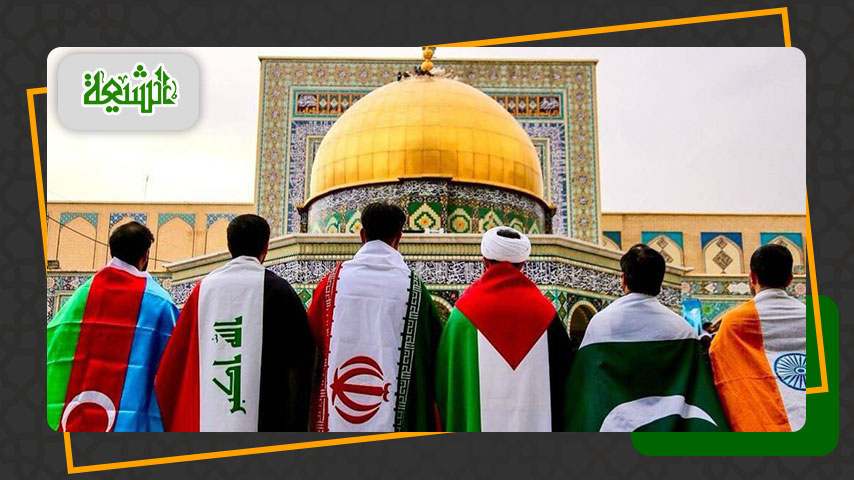
- Strengthening Muslim Unity: Dua for Imam al-Zaman can remind believers of their shared commitment to Allah, the Prophet Muhammad (PBUHH), and the Ahl al-Bayt (a.s.). Duʿāʾ al-ʿAhd, for example, includes greetings and prayers for believing men and women throughout the world[23].[3]
Thus, dua for Imam al-Zaman can reinforce a sense of shared religious identity and concern for fellow believers.
- Promoting Justice: A believer who prays for the Imam’s reappearance and the establishment of justice should also seek justice in personal and social relationships. Dua for Imam al-Zaman can therefore connect hope for the Imam’s future mission with the believer’s present responsibility to act justly.
Justice begins with everyday conduct: fairness toward others, honesty in dealings, truthful speech, and respect for the rights of others.
- Keeping Hope for Justice Alive: Dua for Imam al-Zaman also preserves hope for the triumph of justice. The believer continues to pray for the Imam’s relief while recognising that the timing of the reappearance belongs to Allah.
In this way, dua for Imam al-Zaman provides a spiritual framework in which believers can maintain hope, patience, and commitment to justice during the period of occultation[24].
Conditions for Benefiting Fully from Dua
There are three important conditions for attaining the complete benefits and rewards associated with supplication for Imam al-Mahdi: faith, genuine piety, and purification of character[25].
- Faith: The first condition is faith. The believer must possess sincere conviction concerning Allah and the fundamental principles of faith and must recognise the position of the Imam. Dua is not intended to be an empty repetition of words. Its spiritual value is connected with what the heart believes.
- Genuine Taqwa: The second condition is taqwa. The believer should strive to avoid sins and fulfil religious obligations. Taqwa is therefore not merely an emotional feeling but a way of living. A person who sincerely awaits Imam al-Mahdi should strive to become obedient to Allah in everyday life.
- Purification of Character: The third condition is moral purification. Attributes such as arrogance, greed, envy, hatred, hypocrisy, and excessive attachment to worldly life are traits that can prevent a person from attaining spiritual perfection.
Conclusion
Dua for Imam al-Zaman is a devotional practice rooted in faith, hope, loyalty, and responsibility. The teachings of the Ahl al-Bayt (a.s.) emphasise supplication for Imam al-Zaman (ʿaj) and his relief, making dua for Imam al-Zaman an important expression of devotion during the period of occultation.
The effects of dua for Imam al-Zaman extend beyond asking for the Imam’s reappearance. It can strengthen faith, deepen love for the Imam, cultivate hope, encourage repentance, develop good character, and remind believers of their responsibility before Allah. True awaiting therefore requires not only praying for the Imam’s relief but also preparing oneself through faith, taqwa, patience, and righteous conduct.
Ultimately, the greatest blessing of dua for Imam al-Zaman is reflected in the transformation of the supplicant. While the tongue prays for the Imam’s relief, the heart and actions should prepare for that divine promise by becoming more faithful, morally upright, and steadfast.
Notes
[1] . Ibn Bābawayh, Kamāl al-Dīn, vol. 2, p. 485.
[2] . Kulaynī, al-Kāfī, vol. 2, p. 162, ḥadīth 4.
[3] . Nuʿmānī, Kitāb al-Ghaybah, p. 141.
[4] . Kulaynī, al-Kāfī, vol. 2, p. 162, ḥadīth 4.
[5] . Majlisī. Biḥār al-Anwār, vol. 92, p. 337, ḥadīth 8.
[6] . Ibid, vol. 92, p. 326, ḥadīth 2.
[7] . Ibid, vol. 92, p. 330, ḥadīth 4.
[8] . Ibn Ṭāwūs, Muhaj al-Daʿawāt, p. 273.
[9] . Kulaynī, al-Kāfī, vol. 2, p. 162, ḥadīth 4.
[10] . Ibn al-Mashhadī, al-Mazār al-kabīr, pp. 663-666; Kafʿamī, al-Miṣbāḥ, pp. 550-552; Majlisī. Zād al-maʿād, p. 542.
[11] . Ibn al-Mashhadī, al-Mazār al-kabīr, pp. 573-584.
[12] . Ibn Bābawayh, Kamāl al-Dīn, vol. 2, p. 512.
[13] . Mūsawī al-Iṣfahānī, Mikyāl al-Makārim, vol. 2, p. 80.
[14] . Majlisī. Biḥār al-Anwār, vol. 52, p. 150.
[15] . Kulaynī, al-Kāfī, vol. 2, p. 162, ḥadīth 4.
[16] . Kafʿamī, al-Balad al-Amīn, p. 83.
[17] . Qur’an 39:53.
[18] . Nuʿmānī, Kitāb al-Ghaybah, p. 200.
[19] . Ibn Bābawayh, Kamāl al-Dīn, vol. 2, p. 351.
[20] . Ibid., vol. 2, p. 485.
[21] . Nuʿmānī, Kitāb al-Ghaybah, p. 200
[22] . Majlisī. Biḥār al-anwār, vol. 52, p. 150.
[23] . Majlisī. Biḥār al-anwār, vol. 83, p. 284.
[24] . See: Saduq. Kamal al-Din, vol. 1, p. 277.
[25]. See: Mūsawī Iṣfahānī, Āthār wa Barakāt-i Duʿā barā-yi Imam Zamān, pp. 71-75.
References
Holy Qur’an (English translation: Qarai, Ali Quli (2005). The Qur’an: With a Phrase-by-Phrase English Translation (2nd edition). London: Islamic College for Advanced Studies (ICAS) Press.
- Ibn al-Mashhadī, Muḥammad ibn Jaʿfar. (1419 AH). Al-Mazār al-kabīr. Qom: Jamiʿat al-Mudarrisīn.
- Ibn Bābawayh, Muḥammad ibn ʿAli. (1975). Kamāl al-Dīn wa Tamām al-Niʿmah. Edited by ʿAli Akbar Ghaffārī. 2nd ed. Islamiyyah.
- Ibn Ṭāwūs, ʿAli ibn Mūsā. (1991). Muhaj al-Daʿawāt wa Manhaj al-ʿIbādāt. Edited by Abū Ṭālib Kirmānī and Muḥammad Ḥasan Muḥarrer. 1st ed. Dār al-Dhakhāʾir.
- Kafʿamī, Ibrāhīm ibn ʿAli. (1405 AH). Al-Miṣbāḥ fī al-Adʿīyya wa l-Ṣalawāt wa l-Zīyārāt. Qom: Dār al-Raḍī.
- Kafʿamī, Ibrāhīm ibn ʿAli. (1418 AH). Al-Balad al-Amīn wa l-dirʿ al-Ḥaṣīn. Beirut: Muʾassisat al-Aʿlamī li-l-Maṭbūʿāt.
- Kulaynī, Muḥammad ibn Yaʿqūb. (1986). Al-Kāfī. 4th edition. Tehran: Dār al-Kutub al-Islāmiyyah.
- Majlisī, Muḥammad Bāqir. (1403 AH). Biḥār al-Anwār al-Jāmiʿa li-Durar Akhbār al-Aʾimmat al-Aṭhār. Beirut: Dār Iḥyāʾ al-Turāth al-ʿArabī.
- Majlisī, Muḥammad Bāqir. (1423 AH). Zād al-maʿād. Beirut: ʿAlāʾ al-Dīn Aʿlamī.
- Mūsawī Iṣfahānī, Muḥammad Taqī. (1388 SH). Āthār wa Barakāt-i Duʿā barā-yi Imām Zamān (ʿalayhi al-salām). Qom: Masjid-i Muqaddas-i Jamkarān.
- Mūsawī Iṣfahānī, Muḥammad Taqī. (n.d). Mikyāl al-Makārim fī Fawāʾid al-Duʿāʾ li’l-Qāʾim. Translated by Sayyid Athar Husayn S.H. Rizvi. Mumbai: Ja’fari Propagation Centre.
- Nuʿmānī, Muḥammad ibn Ibrāhīm. (1977). al-Ghaybah. Edited by ʿAli Akbar Ghaffārī. 1st ed. Maktabat al-Ṣadūq.