


Zakat is one of the fundamental financial obligations in Islam and serves purposes that extend beyond individual worship to the welfare of society. By directing a portion of wealth toward the poor and other legitimate beneficiaries, zakat contributes to reducing poverty, narrowing economic disparities, protecting human dignity, and strengthening solidarity among members of the community. The Qur’an’s frequent association of zakat with prayer further demonstrates its importance within the Islamic system of faith and social responsibility[1]. Thus, zakat can be understood as an important instrument for promoting social justice and building a more compassionate and responsible society.
This article aims to examine the role of zakat in promoting social justice, particularly through poverty reduction, reduction of economic disparities, social solidarity, protection of human dignity, and strengthening family and community relationships.
Understanding Zakat and Its Social Purpose
The term zakat conveys meanings of purification, growth, increase, and development. In classical Arabic usage, the word refers both to the purification of wealth and to the growth, blessing, and prosperity associated with giving it in charity[2]. This combination is significant. Zakat is not merely the removal of an amount from one’s property; it is intended to purify the wealth of the giver and the giver’s character while contributing to the welfare of others.
In Islamic jurisprudence, zakat refers to a prescribed financial obligation attached to particular forms of wealth when the relevant conditions are fulfilled. The late author of Jawāhir al-Kalām states: “Zakat is the setting aside of a portion of one’s wealth to be spent on the welfare of society, so that growth and blessing may be attained in the remainder of one’s wealth. It also brings the giver spiritual elevation, purifies his wealth, enhances his acceptance and esteem within society, and protects him from slander and negative perceptions.”[3]
The Qur’anic presentation of zakat reveals this wider purpose. In the Qur’an, righteousness is described through a combination of faith, generosity toward relatives, orphans, the needy, travelers, and others, prayer, zakat, fulfillment of promises, and patience[4]. The verse demonstrates that attaining true piety requires both obligatory and voluntary forms of charitable giving[5].
The Qur’an also states that believers are responsible for one another: “But the faithful, men and women, are comrades of one another: they bid what is right and forbid what is wrong and maintain the prayer, give the zakat.”[6] Zakat is therefore situated within a broader moral framework of mutual responsibility.
Its social purpose is particularly evident in the traditions cited in the study. Imam al-Riḍā is reported to have explained the reason for the legislation of zakat as being connected with providing for the poor.[7]
This does not mean that Islam encourages people to abandon work or productive activity. Rather, zakat provides support for those who cannot adequately meet their needs and thereby helps protect the vulnerable without eliminating the value of work, enterprise, and self-reliance.
Thus, the first purpose of zakat is not simply to transfer money. It is to create a moral and social relationship between people in which those who possess greater financial capacity recognize responsibilities toward those who face genuine need. This relationship is essential to social justice.
Zakat as a Means of Reducing Poverty and Economic Inequality
One of the clearest purposes of zakat is to address poverty. It enables people with greater financial resources to contribute toward meeting the basic needs of low-income members of society[8]. This function is fundamental to social justice, because severe poverty can prevent people from participating fully in family, religious, economic, and communal life.
Poverty is not merely the absence of money. It can also mean the inability to obtain adequate food, clothing, housing, education, and other necessities. When a significant portion of society lacks these essentials while wealth is concentrated among a small group, the resulting inequality can create frustration and social distance. Addressing these needs is an essential dimension of social justice.
The study consequently identifies reduction of class differences as one of the major social effects of zakat[9]. It observes that a society divided sharply between extreme wealth and extreme poverty cannot easily achieve lasting stability. Zakat, together with other Islamic forms of financial responsibility such as voluntary charity, waqf, and interest-free lending, provides mechanisms through which economic disparities can be moderated.
Zakat forms a fundamental component of the Islamic economic and social system by promoting mutual solidarity, cooperation, and social welfare. As an obligatory form of financial responsibility, it contributes to the equitable circulation of wealth and helps prevent its concentration among the wealthy[10]. This principle is reflected in the Qur’anic statement regarding wealth distribution: “so that they do not circulate among the rich among you” [11]. In this way, zakat serves as a practical mechanism for advancing social balance and reducing economic disparities within society.
This does not require the elimination of differences in wealth. Islam recognizes legitimate private ownership and encourages productive economic activity. The purpose is instead to prevent wealth differences from becoming a source of deprivation and social exclusion. Zakat helps achieve this by directing a defined portion of eligible wealth toward legitimate beneficiaries. This approach allows social justice to coexist with legitimate differences in wealth.
The traditions cited in the study express this principle in particularly strong language. Imam al-Ṣādiq is reported to have said that God has established a share for the poor in the wealth of the rich[12]. The ethical message is clear: wealth should not be viewed exclusively as a private possession without social obligations.
Consequently, zakat can contribute to social balance by raising vulnerable people toward a more dignified standard of living. When basic needs are addressed, the distance between economic groups becomes less destructive, resentment can decrease, and opportunities for participation can increase.
Zakat and the Expansion of Social Justice
A second major purpose of zakat is the promotion of social justice. Justice in Islam is not an abstract principle. It requires that people recognize the rights of others and that vulnerable members of society are not abandoned.
Zakat is an important instrument of social justice because it assigns financial responsibility to the wealthy toward those unable to meet their basic needs, making social welfare a shared responsibility[13]. The Qur’an similarly connects righteousness with supporting relatives, orphans, the needy, travelers, and others in need, alongside prayer and zakat[14].
Zakat also promotes social balance by recognizing that poverty may affect people who are employed but still unable to meet their household needs[15]. It therefore provides support to vulnerable individuals while recognizing their dignity and legitimate needs.
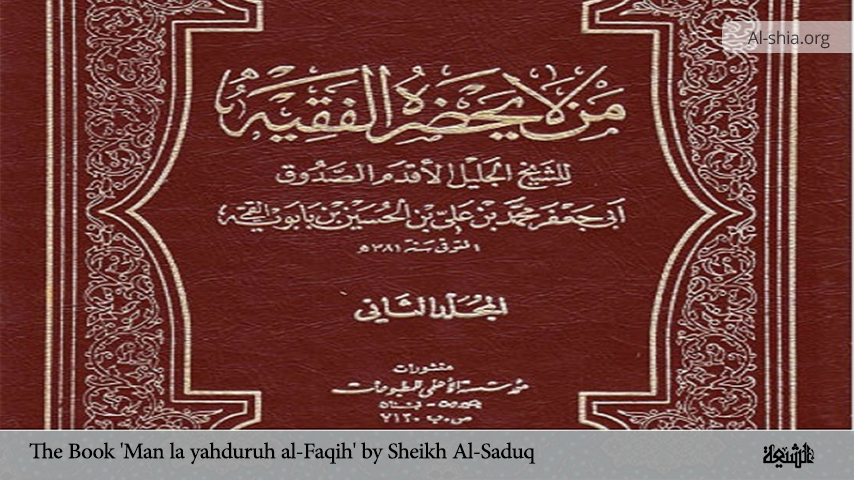
Preserving recipients’ dignity is an essential aspect of social justice. Imam al-Bāqir emphasized that zakat could be given to a believer who felt embarrassed about receiving assistance without exposing or humiliating him[16]. Thus, zakat combines financial support with respect for human dignity.
Zakat as a Foundation for Social Solidarity and Brotherhood
Perhaps the most important contribution of zakat to social justice is its ability to strengthen social solidarity. The attached study describes zakat as capable of transforming a “world of conflict” into a “world of cooperation.”[17]
Economic inequality can create psychological barriers between the wealthy and the poor, fostering resentment, detachment, and social division. Zakat helps reduce these barriers by establishing a relationship of responsibility between economic groups. It reminds the wealthy that their possessions are divine blessings and that others have legitimate claims upon them, thereby giving social justice a practical and human dimension.
Zakat also seeks to transform attitudes by purifying the heart from greed, envy, and excessive selfishness[18]. By encouraging people to recognize their mutual dependence, it promotes cooperation rather than excessive competition. Thus, zakat does more than redistribute wealth; it helps cultivate the moral attitudes necessary for lasting social justice.
The Qur’an describes believers as brothers: “The faithful are indeed brothers”[19]. It also connects religious brotherhood with prayer and zakat, describing those who establish prayer and give zakat as “your brethren in faith”[20]. Zakat therefore gives practical expression to brotherhood by requiring concern for the welfare of other members of the community and strengthening social balance.
This responsibility is reinforced by Imam al-Ṣādiq’s reported instruction to care for poor Muslim brothers, emphasizing that they have rights over other believers[21]. Consequently, zakat transforms assistance from an optional act of generosity into an enduring social responsibility, strengthening solidarity, cooperation, and social justice within the community.
Zakat therefore builds solidarity at two levels: materially, by helping people meet their needs; and morally, by cultivating compassion, generosity, responsibility, and brotherhood.
Zakat, Human Dignity, and Social Inclusion
A society cannot achieve genuine social justice merely by transferring wealth from one person to another. It must also protect the dignity of those who receive assistance.
Zakat is therefore intended to relieve the hardship of poor and vulnerable people and preserve their honor. This is particularly important because some needy people may be reluctant to ask for help. The Qur’an describes people who are so restrained that an uninformed observer might consider them wealthy because of their self-respect and refusal to beg[22].
Poverty is not always visible, as some people may have employment, housing, or social status while still struggling to meet their financial obligations. Others may avoid seeking assistance because of embarrassment. Therefore, effective social justice requires recognizing hidden forms of need and ensuring that genuine assistance is provided discreetly and without humiliation.
Zakat should help restore stability and dignity rather than create permanent dependency. Its purpose is not to encourage laziness but to support those who genuinely lack sufficient means to provide for themselves and their families. In this way, zakat contributes to social balance by addressing genuine vulnerability while respecting the dignity of recipients.
A balanced approach combines financial support with empowerment. Those who are unable to meet their basic needs should receive assistance, while those capable of working should be encouraged toward self-reliance and financial independence. This combination of protection and empowerment reflects the broader objectives of social justice.
Zakat thus contributes to social justice not simply by reducing poverty but by protecting the dignity and social participation of people affected by poverty.
Zakat and Family Relationships
The benefits of zakat extend beyond relationships between the wealthy and the poor to relationships within families. Strengthening family ties is also an important social effect of financial assistance[23].
Family is one of the first institutions through which social responsibility is expressed. When financially capable individuals support needy relatives, they not only address material hardship but also strengthen bonds of affection, responsibility, and solidarity, thereby contributing to social justice.
Islamic teachings connect prayer and zakat with gratitude toward parents and maintaining family ties, emphasizing that religious devotion cannot be separated from fulfilling the rights of others[24]. Traditions also encourage assisting needy relatives and regard supporting dependent family members as a highly meritorious form of charity[25].
Such assistance contributes to social justice by enabling families to provide emotional and financial support during unemployment, illness, and other hardships. Strong family networks can reduce vulnerability and lessen the burden on the wider community.
Nevertheless, family assistance does not replace broader social responsibility. When genuine need exists beyond the family, the wider community also has a duty to respond. In this way, responsibility expands from the family to society as a whole, strengthening solidarity and social justice.
Zakat and the Development of a Cooperative Society
Zakat also promotes a culture of participation. Islamic financial responsibility encourages cooperation among members of society and reflects the Qur’anic emphasis on mutual assistance and collective responsibility: “Cooperate in piety and Godwariness, but do not cooperate in sin and aggression.”[26]
This principle is essential to social justice because no society can eliminate poverty and inequality through individual effort alone. Families, religious institutions, community leaders, charitable organizations, and individuals all have roles to play.
Zakat provides an organized form of social participation by reminding members of society that the welfare of others is a shared responsibility. Rather than viewing poverty as an individual problem, it encourages collective concern and strengthens social justice.
Zakat also contributes to social trust. When people know that mechanisms exist to support those facing hardship, they are less likely to feel abandoned, while those with wealth are encouraged to recognize their social responsibilities. In this way, zakat strengthens public confidence in social justice and promotes a culture of responsibility that connects worship with communal welfare.
Beyond its social effects, zakat also contributes to economic well-being. It can support poverty reduction, economic development, religious institutions, and broader prosperity.1 By strengthening economic security, zakat creates greater opportunities for participation, cooperation, and social justice.
The Contemporary Purpose of Zakat
For contemporary Muslim communities, the lessons of zakat remain highly relevant. The first lesson is that zakat should not be reduced to an annual financial calculation. It is an institution with spiritual, ethical, and social purposes.
Second, zakat should be distributed responsibly. The objective is to reach genuine beneficiaries and address real needs. The Qur’anic and hadith-based material in the attached study repeatedly connects zakat with the poor, needy, vulnerable, and other legitimate beneficiaries[27].
Third, the dignity of recipients must be protected. A person receiving zakat should not be publicly embarrassed or treated as inferior. The social purpose of zakat is defeated if financial assistance creates humiliation.
Fourth, communities should encourage awareness of zakat. People need to understand both its legal obligation and its broader purposes. When Muslims recognize that zakat can reduce poverty, strengthen families, promote brotherhood, and reduce social tensions, they are more likely to appreciate its wider significance.
Finally, zakat should be understood as an instrument of social justice rather than merely an instrument of poverty relief. Poverty reduction is essential, but the broader goal is to create a society in which people recognize their mutual responsibilities.
Conclusion
In conclusion, zakat is not merely a religious obligation but a comprehensive mechanism for promoting social justice and strengthening the moral and economic foundations of society. By redistributing a portion of wealth to those in need, zakat reduces economic disparities, protects the dignity of vulnerable members of society, and encourages solidarity and mutual responsibility.
From the Islamic perspective, social justice requires that wealth and opportunities not remain concentrated among a limited group, and zakat provides a practical means of addressing this concern. Its proper implementation can contribute to poverty reduction, social stability, economic balance, and stronger bonds among members of the community.
Therefore, zakat represents a significant instrument for achieving social justice, demonstrating Islam’s commitment to establishing a society founded on compassion, equity, dignity, and shared responsibility.
Notes:
[1] . Qur’an 2:43, 2:83, 2:177, 2:277; 4:162; 5:12, 5:55; 8:3; 9:5, 9:11, 9:18, 9:71; 19:31, 19:55; 21:73; 22:41, 22:78; 24:56; 27:3; 31:4; 33:33; 58:13; 73:20.
[2] . Farāhīdī, Kitāb al-ʿAyn, vol. 5, p. 394; Ṭurayḥī, Majmaʿ al-Baḥrayn, vol. 1, p. 205; Ibn Fāris, Muʿjam Maqāyīs al-Lughah, vol. 3, p. 17.
[3] . Najafī, Jawāhir al-Kalām, vol. 15, p. 3.
[4] . Qur’an 2:177.
[5] . See: Faqīh Imānī, An Enlightening Commentary into the Light of the Holy Qur’an, vol. 2, p. 79.
[6] . Qur’an 9:71.
[7] . Ḥuwayzī, Tafsīr Nūr al-Thaqalayn, vol. 1, p. 74.
[8] . Makārim Shīrāzī, Tafsīr-i Nemūneh, vol. 2, p. 332.
[9] . Ibid, vol. 23, p. 507.
[10] . Quṭb, Fī Ẓilāl al-Qurʾān, vol. 1, p. 304.
[11] . Qur’an 59:7.
[12] . Ḥurr al-ʿĀmilī, Hudāyat al-Aʾimmah ilā Aḥkām al-Aʾimmah, vol. 4, p. 74.
[13] . Kulaynī, al-Kāfī, vol. 3, p. 378.
[14] . Qur’an 2:177.
[15] . Qirāʾatī, Khums wa Zakāt, p. 60.
[16] . Ṣadūq, Man Lā Yaḥḍuruhu al-Faqīh, vol. 2, p. 13
[17]. Makārim Shīrāzī, Tafsīr-i Nemūneh, vol. 1, p. 74.
[18] . Ibid.
[19] . Qur’an 49:10.
[20] . Qur’an 9:11.
[21] . Kulaynī, al-Kāfī, vol. 8, p. 8.
[22] . Qur’an 2:273.
[23] . Ḥurr al-ʿĀmilī, Wasāʾil al-Shīʿah, vol. 9, p. 25.
[24] . Ibid.
[25] . Majlisī, Biḥār al-Anwār, vol. 71, p. 103.
[26] . Qur’an 5:2.
[27] . Qur’an 2:177.
References
Holy Qur’an (with the English translation: Qarai, Ali Quli (2005). The Qur’an: With a Phrase-by-Phrase English Translation (2nd edition). London: Islamic College for Advanced Studies (ICAS) Press.
- Faqīh Imānī, Sayyid Kamal et al. (1997). An Enlightening Commentary into the Holy Qur’an. 1st edition. Translated by Sayyid Abbas Sadr-‘Ameli. Isfahan: Imam Ali Library and Research Centre.
- Farāhīdī, Khalīl ibn Aḥmad. (1989). Kitāb al-ʿAyn. 2nd edition. Qum: Nashr-i Hijrat.
- Ḥurr al-ʿĀmilī, Muḥammad ibn Ḥasan. (1988). Wasāʾil al-Shīʿah. 1st edition. Qom: Muʾassasat Āl al-Bayt (a.s).
- Ḥurr al-ʿĀmilī, Muḥammad ibn Ḥasan. (1993). Hidāyat al-Aʾimmah ilā Aḥkām al-Aʾimmah. 1st edition. Mashhad: Āstān-i Quds-i Raḍawī, Majmaʿ al-Buḥūth al-Islāmiyyah.
- Ḥuwayzī, ʿAbd al-ʿAlī ibn Jumʿah. (1994). Tafsīr Nūr al-Thaqalayn. 4th edition. Edited by Hāshim Rasūlī Maḥallātī. Qom: Ismāʿīliyyān Publishers.
- Ibn Fāris, Aḥmad ibn Fāris. (1983). Muʿjam Maqāyīs al-Lughah. 1st edition. Qum: Maktab al-Iʿlām al-Islāmī.
- Kulaynī, Muḥammad ibn Yaʿqūb. (1986). al-Kāfī. 4th edition. Tehran: Dār al-Kutub al-Islāmiyyah.
- Majlisī, Muḥammad Bāqir. (1982). Biḥār al-Anwār. 2nd edition. Beirut: Dār Iḥyāʾ al-Turāth al-ʿArabī.
- Makārim Shīrāzī, Nāṣir, et al. (1995). Tafsīr-e Nemūneh. Tehran: Dār al-Kutub al-Islāmiyyah.
- Najafī, Muḥammad Ḥasan ibn Bāqir. (1983). Jawāhir al-Kalām fī Sharḥ Sharāʾiʿ al-Islām. 7th edition. Beirut: Dār Iḥyāʾ al-Turāth al-ʿArabī.
- Qirāʾatī, Muḥsin. (2003). Khums va Zakāt. Tehran: Markaz-i Farhangī-yi Dars-hā-yi az Qurʾan.
- Quṭb, Sayyid. (2004). Fī Ẓilāl al-Qurʾān. 53rd edition. Beirut: Dār al-Shurūq.
- Ṣadūq, Muḥammad ibn ʿAli. (1992). Man Lā Yaḥḍuruhu al-Faqīh. 2nd edition. Qom: Daftar-i Intishārāt-i Islāmī, affiliated with the Society of Seminary Teachers of Qom.
- Ṭurayḥī, Fakhr al-Dīn ibn Muḥammad. (1996). Majmaʿ al-Baḥrayn. 3rd edition. Tehran: Kitābfurūshī-yi Murtaḍawī.






![The Event of Ghadir and Imam al-Mahdi [afs]](https://en.al-shia.org/wp-content/uploads/2026/06/17221.jpg)