

The Holy Qur’an presents a comprehensive model of human excellence through its description of the servants of the Most Merciful (ʿIbād al-Raḥmān) in Sūrat al-Furqān (25:63–76). These verses describe a balanced way of life that integrates sincere worship of Allah, moral excellence, compassion toward others, personal discipline, and social responsibility. The qualities attributed to these distinguished believers demonstrate that true faith is reflected in one’s character, relationships, and daily conduct.
This article examines the principal qualities of the servants of the Most Merciful as described in Sūrat al-Furqān (25:63–76), explaining their spiritual, ethical, and social significance in a clear and accessible manner. By exploring these Qur’anic characteristics alongside relevant supporting evidence from the Qur’an and the Sunnah, the article seeks to demonstrate how these timeless virtues can guide Muslims toward righteous living and closer devotion to Allah.
The Defining Qualities of the Servants of the Most Merciful
- Humility
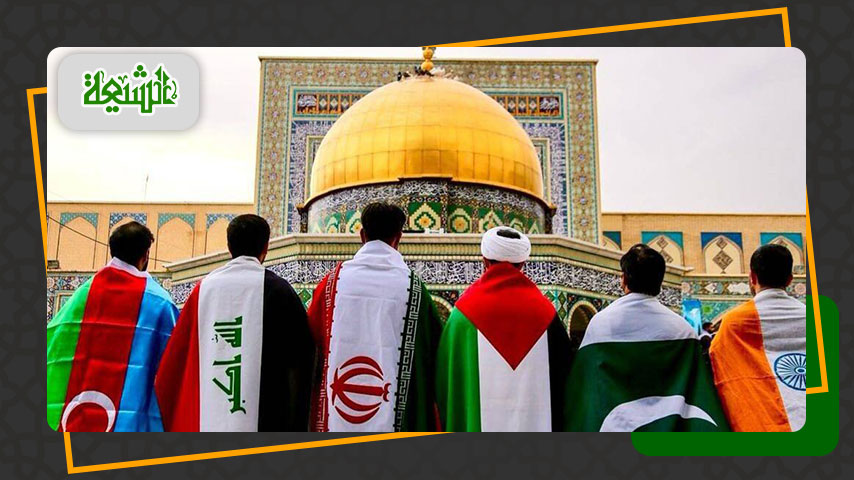
The first quality that distinguishes the servants of the Most Merciful is their humility. Allah says: “The servants of the All-beneficent are those who walk humbly on the earth…”[1]. The expression “walk humbly on the earth” is understood as a metaphor for one’s manner of living and interacting with people[2]. Thus, the servants of the Most Merciful conduct themselves with humility, free from ostentation and arrogance[3], neither seeking superiority over others nor expecting followers to trail behind them[4].
Humility is reflected in one’s attitude toward Allah and toward fellow human beings. It is not a sign of weakness or lack of confidence but rather an indication of spiritual maturity and inner strength.
The Prophet Muhammad (PBUHH) emphasized the virtue of humility, saying, “No one humbles himself for the sake of Allah except that Allah raises him in status.”[5] Thus, humility is the foundation upon which the remaining qualities of the servants of the Most Merciful are built.
- Patience and Forbearance
Immediately after describing their humility, the Qur’an explains how these believers respond when confronted with ignorance: “…When the ignorant address them, say, ‘Peace!’”[6]
Another remarkable spiritual quality of the servants of the Most Merciful is their patience and forbearance. Without this virtue, a person cannot successfully traverse the challenging path of servitude to Allah, especially in societies where ignorance, corruption, and wrongdoing are widespread. Their response of “peace” does not merely indicate kindness or a friendly greeting; rather, it reflects their self-control, dignity, and refusal to respond to ignorance with hostility. It represents a noble attitude of patience and moral greatness[7].
Likewise, the Prophet Muhammad (PBUHH) taught: “The strong person is not the one who overcomes others by physical strength, but the one who controls himself when angry.”[8]
By exercising patience and forbearance, believers preserve their dignity, promote social harmony, and demonstrate the transformative power of Islamic ethics.
- Night Devotion
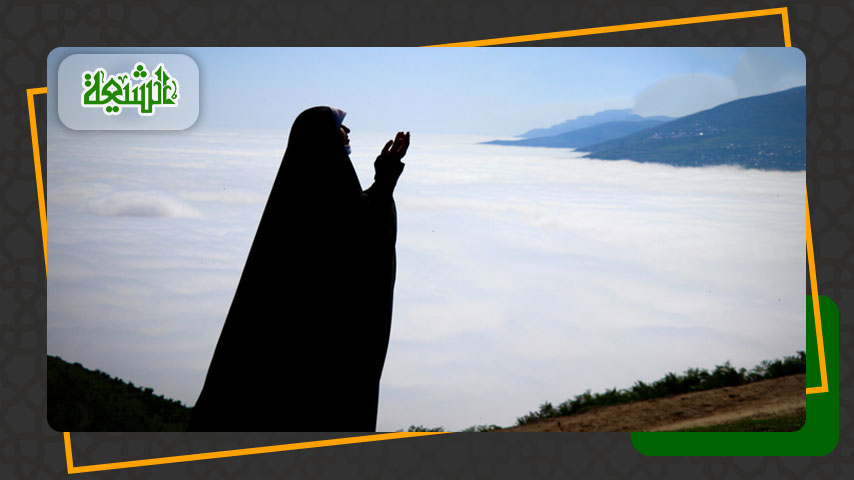
While the servants of the Most Merciful spend their days serving people with humility and kindness, they dedicate their nights to sincere worship. Allah says: “Those who spend the night for their Lord, prostrating and standing [in worship].”[9]
Night worship occupies a special place in Islam because it is performed away from public attention, making it one of the purest expressions of sincerity (Ikhlāṣ). The Qur’an frequently praises those who worship during the night, describing them as people who forsake the comfort of their beds in remembrance of their Lord[10]. Likewise, Allah states: “Indeed, the watch of the night is firmer in tread and more upright in respect to speech.”[11]
The Prophet Muhammad (PBUHH) also encouraged voluntary late-night prayer, saying: “The best prayer after the obligatory prayers is the night prayer.”[12] (Ṣaḥīḥ Muslim, no. 1163).
Regular night devotion nurtures sincerity, strengthens faith, deepens one’s relationship with Allah, and equips believers with the spiritual strength needed to face the challenges of daily life.
- Consciousness of the Hereafter
Although the servants of the Most Merciful are devoted in worship, they never become complacent regarding their salvation. Instead, they continually pray: “Our Lord! Turn away from us the punishment of hell. Indeed, its punishment is enduring…”[13].
These verses demonstrate that genuine believers combine hope in Allah’s mercy with fear of His justice. Despite their devotion and righteous deeds, the servants of the Most Merciful remain humble and aware of their shortcomings. Their fear of accountability before Allah serves as an inner moral force that motivates them to perform their duties with greater sincerity and excellence[14].
- Financial Moderation and Generosity
The Qur’an portrays the servants of the Most Merciful as individuals who maintain a balanced and responsible attitude toward wealth. Allah says: “Those who are neither wasteful nor tightfisted when spending, but balanced between these [two extremes].”[15]
This verse establishes moderation as a defining characteristic of the righteous believer. The believers are instructed to avoid two equally harmful extremes: extravagance (isrāf), which wastes Allah’s blessings, and miserliness (taqtīr), which deprives both oneself and others of their rightful share. Instead, they adopt a balanced approach that fulfills personal needs while supporting family members and contributing to the welfare of society.
The Prophet Muhammad (peace and blessings be upon him) said: “Protect yourselves from the Fire, even if only with half a date in charity.”[16]
By exercising moderation in spending and generosity in giving, the servants of the Most Merciful demonstrate gratitude to Allah, financial responsibility, and compassion toward others.
- Pure Monotheism (Tawḥīd)
At the heart of every virtue possessed by the servants of the Most Merciful is their unwavering commitment to Tawḥīd—the belief that Allah alone deserves worship. Allah declares: “Those who do not invoke another deity besides Allah.”[17]
This concise statement establishes monotheism as the foundation upon which all other acts of righteousness are built. The Qur’an repeatedly emphasizes that associating partners with Allah (shirk) is the gravest of sins[18] and a great injustice[19].
The Prophet Muhammad (PBUHH) also highlighted the supreme importance of Tawḥīd, saying: “Whoever dies while knowing that there is no deity worthy of worship except Allah will enter Paradise.”[20]
Pure monotheism transforms every aspect of a believer’s life. It cultivates complete trust in Allah, liberates the heart from dependence on worldly powers, and gives meaning to all acts of worship and obedience.
- Sanctity of Human Life
Another defining characteristic of the servants of the Most Merciful is their profound respect for the sanctity of human life. Allah says: “…Do not kill a soul [whose life] Allah has made inviolable, except with due cause.”[21]
Human life is sacred because it is a gift from Allah, and this verse emphasizes the inherent dignity and sanctity of human life. Every person is deserving of respect and protection, and taking a life is strictly prohibited except in cases where a legitimate cause recognized by Allah permits it[22].
The Prophet Muhammad (PBUHH) reinforced this principle during his Farewell Pilgrimage, declaring: “Indeed, your blood, your property, and your honor are sacred to one another.”[23]
The servants of the Most Merciful therefore become protectors of life rather than agents of harm, recognizing that reverence for human life is an essential expression of faith and obedience to Allah.
- Chastity and Moral Purity
The Qur’an also describes the servants of the Most Merciful as those who preserve their moral purity by avoiding unlawful sexual relations. Allah states: “…and do not commit fornication.”[24]
Chastity is more than abstaining from adultery or fornication; it reflects a commitment to purity in thought, speech, and conduct. The Qur’an therefore commands believers not merely to avoid adultery but to stay away from everything that leads to it[25].
The Prophet Muhammad (PBUHH) likewise encouraged believers to guard their modesty and desires through lawful means, emphasizing marriage as the proper avenue for fulfilling natural human needs[26].
- Repentance and Spiritual Renewal
One of the most inspiring characteristics of the servants of the Most Merciful is that they never lose hope in Allah’s mercy. After warning against the grave sins of associating partners with Allah, unlawful killing, and adultery, the Qur’an immediately opens the door to redemption: “Except those who repent, attain faith, and act righteously. For such, Allah will replace their misdeeds with good deeds, and Allah is all-Forgiving, all-Merciful.”[27]
These verses illustrate one of the most profound manifestations of Allah’s mercy by providing the opportunity for wrongdoers to return to Him through sincere repentance. True repentance is not merely verbal regret or temporary remorse; rather, it is demonstrated through a genuine change of conduct and righteous actions. A remarkable aspect of this verse is Allah’s grace in transforming the past sins of those who sincerely repent into good deeds[28].
The Prophet Muhammad (PBUHH) emphasized Allah’s immense mercy, saying: “Allah is more pleased with the repentance of His servant than one of you who finds his lost camel in a barren desert.”[29]
Thus, the servants of the Most Merciful are not defined by perfection but by their willingness to acknowledge their shortcomings, seek Allah’s forgiveness, and continually renew their faith through righteous action.
- Truthfulness and Social Integrity
The servants of the Most Merciful are distinguished not only by their devotion to Allah but also by their honesty and integrity in society. Allah says: “Those who do not give false testimony, and when they come upon frivolity, pass by with dignity.”[30]
This verse highlights two qualities of believers: they avoid falsehood and dishonesty, upholding truthfulness as a foundation of justice and social trust. They also refrain from laghw—vain, idle, or sinful activities—preserving their time and dignity by engaging only in matters that benefit their faith and character.
By speaking the truth, avoiding falsehood, and distancing themselves from harmful speech and futile pursuits, the servants of the Most Merciful become trustworthy individuals whose conduct strengthens families, communities, and the wider society.
- Reflection upon Divine Revelation
Another defining characteristic of the servants of the Most Merciful is their thoughtful engagement with Allah’s revelation. The Qur’an states: “Those who, when reminded of the signs of their Lord, do not turn a deaf ear and a blind eye to them.”[31]
The Qur’an repeatedly encourages such reflection[32]. Reflection upon divine revelation enables believers to strengthen their faith, refine their character, and make sound moral decisions. Through continuous engagement with the Qur’an, the servants of the Most Merciful cultivate wisdom, spiritual insight, and unwavering obedience to Allah.
- Righteous Family Life and Moral Leadership
The final characteristic of the servants of the Most Merciful reflects their concern not only for their own righteousness but also for the spiritual well-being of their families and communities. Allah describes their heartfelt supplication: “And those who say, ‘Our Lord! Give us joy and comfort in our spouses and offspring, and make us imams of the Godwary.’”[33]
The verse highlights that the servants of the All-beneficent seek true happiness through righteous spouses and offspring who are devoted to Allah and become a source of spiritual comfort. Their love for family is guided by faith rather than worldly desires, as they value those who assist them in obedience and righteousness. They also aspire to become models of piety by being leaders for the Godwary through their good deeds, moral excellence, and commitment to Allah’s path, so that others may learn from and follow their example[34].
The Prophet Muhammad (PBUHH) also reminded every believer of this responsibility, saying: “Each of you is a shepherd, and each of you is responsible for his flock.”[35]
The servants of the Most Merciful therefore understand that genuine success extends beyond personal piety. It includes nurturing righteous families, guiding future generations, and serving as moral exemplars whose lives encourage others to draw closer to Allah. Through this legacy of faith and leadership, they contribute to the spiritual and ethical flourishing of the entire community.
Conclusion
The portrait of the servants of the Most Merciful (ʿIbād al-Raḥmān) presented in Sūrat al-Furqān (25:63–76) offers one of the Qur’an’s most comprehensive descriptions of the ideal believer. Rather than focusing on isolated acts of worship, these verses present a holistic model of Islamic character that harmonizes faith, worship, ethics, family life, and social responsibility. The qualities of humility, patience, devotion, generosity, monotheism, respect for life, moral purity, repentance, truthfulness, reflection, and righteous leadership collectively demonstrate that genuine faith transforms every aspect of a person’s life.
After describing these noble characteristics, the Qur’an concludes by revealing the magnificent reward awaiting such believers. The promise of Paradise is not merely a future reward but a reminder that every act of sincerity, self-restraint, and obedience carries eternal significance.
The timeless message of these verses remains as relevant today as it was at the time of revelation. In a world marked by moral uncertainty, social conflict, and spiritual distraction, the qualities of the servants of the Most Merciful provide a practical framework for cultivating noble character and strengthening one’s relationship with Allah. By striving to embody these virtues, believers contribute to the well-being of their families, communities, and society while drawing closer to the ultimate goal—the eternal pleasure of Allah and the everlasting bliss of Paradise.
Notes
[1] . Qur’an 25:63.
[2] . Ṭabāṭabāʾī. Tafsīr al-Mīzān, vol. 15, p. 239.
[3] . Makārim Shīrāzī. Tafsir-e Nemuneh, vol. 15, p. 147; Ṭabarsī. Majma‘ al-Bayān, vol. 7, p. 279.
[4] . Mughniyyah. al-Tafsīr al-Kāshif, vol. 5, p. 481.
[5] . Ibn Ḥanbal. Musnad al-Imam Aḥmad ibn Ḥanbal, vol. 14, p. 552, Hadith 9008.
[6] . Qur’an 25:63
[7] . Faqih Imani. An Enlightening Commentary into the Light of the Holy Qur’an, vol. 12, pp. 81-82.
[8] . Bukhārī. Ṣaḥīḥ al-Bukhārī, vol. 9, p. 255, Hadith 5413; Muslim. Ṣaḥīḥ Muslim, vol. 4, p. 2014, Hadith 108.
[9] . Qur’an 25:64
[10] . Qur’an 32:16–17.
[11] . Qur’an 73:6.
[12] . Tirmidhī. Jāmiʿ al-Tirmidhī, vol. 2, p. 233, Hadith 438.
[13] . Qur’an 25:65–66
[14] . Faqih Imani. An Enlightening Commentary into the Light of the Holy Qur’an, vol. 12, p. 85.
[15] . Qur’an 25:67.
[16] . Nasā’ī, al-Sunan al-Kubra, vol. 2, p. 39, Hadith 2333.
[17] . Qur’an 25:68.
[18] . Qur’an 4:48.
[19] . Qur’an 31:13.
[20] . Ibn Ḥanbal. Musnad al-Imam Aḥmad ibn Ḥanbal, vol. 6, p. 361, Hadith 3811.
[21] . Qur’an 25:68.
[22] . Faqih Imani. An Enlightening Commentary into the Light of the Holy Qur’an, vol. 12, p. 88.
[23] . Bukhārī. Ṣaḥīḥ al-Bukhārī, vol. 3, p. 196, Hadith 1575.
[24] . Qur’an 25:68.
[25] . Qur’an 17:32.
[26] . Muslim. Ṣaḥīḥ Muslim, vol. 2, p. 1018, Hadith 1400.
[27] . Qur’an 25:70.
[28] . Faqih Imani. An Enlightening Commentary into the Light of the Holy Qur’an, vol. 12, p. 91.
[29] . Bukhārī. Ṣaḥīḥ al-Bukhārī, vol. 10, p. 86, Hadith 5603.
[30] . Qur’an 25:72.
[31] . Qur’an 25:73.
[32] . Qur’an 4:82.
[33] . Qur’an 25:74.
[34] . Ṭabāṭabāʾī. Tafsīr al-Mīzān, vol. 15, p. 245.
[35] . Abū Dawūd. Sunan Abi Dawūd, vol. 3, p. 1280, Hadith 2928.
References
Holy Qur’an (with the English translation: Qarai, Ali Quli (2005). The Qur’an: With a Phrase-by-Phrase English Translation (2nd edition). London: Islamic College for Advanced Studies (ICAS) Press.
- Abū Dawūd, Sulayman ibn Ash`ath. (1999). Sunan Abi Dawūd (1st edition). Cairo: Dar al-Hadith.
- Bukhārī, Muḥammad ibn Ismā`il. (1989). Ṣaḥīḥ al-Bukhārī (2nd edition). Cairo: Egypt, Ministry of Endowment, High Council for Islamic Affairs, Sunni Books Revival Committee.
- Ibn Ḥanbal, Aḥmad ibn Muḥammad. (1995). Musnad al-Imam Aḥmad ibn Ḥanbal (1st edition). Beirut: Mu’assasat al-Risalah.
- Makārim Shīrāzī, Nāṣir. (1992). Tafsīr-e Nemūneh. Tehran: Dār al-Kutub al-Islāmiyyah.
- Mughniyyah, Muḥammad Jawād. (1424 AH). al-Tafsīr al-Kāshif. Qom: Dār al-Kitāb al-Islāmī.
- Muslim ibn Hajjaj. (1991). Ṣaḥīḥ Muslim (1st edition). Cairo: Dar al-Hadith.
- Nasā’ī, Aḥmad ibn Ali. (1990). al-Sunan al-Kubra (1st edition). Beirut: Dar al-Kutub al-‘Ilmiyyah, Manshourat Muhammad Ali Baydoun.
- Ṭabāṭabāʾī, Sayyid Muḥammad Ḥusayn. (1970). Tafsīr al-Mīzān (2nd edition). Beirut: Mu’asassat al-A’lami li al-Matbou’aat.
- Ṭabrisī, Faḍl ibn al-Ḥasan. (1993). Majmaʿ al-Bayān fī Tafsīr al-Qurʾān. Tehran: Nāṣir Khusrow.
- Tirmidhī, Muhammad ibn ‘Isa. (1998). Jāmiʿ al-Tirmidhī (1st edition). Cairo: Dar al-Hadith.

![The Event of Ghadir and Imam al-Mahdi [afs]](https://en.al-shia.org/wp-content/uploads/2026/06/17221.jpg)