
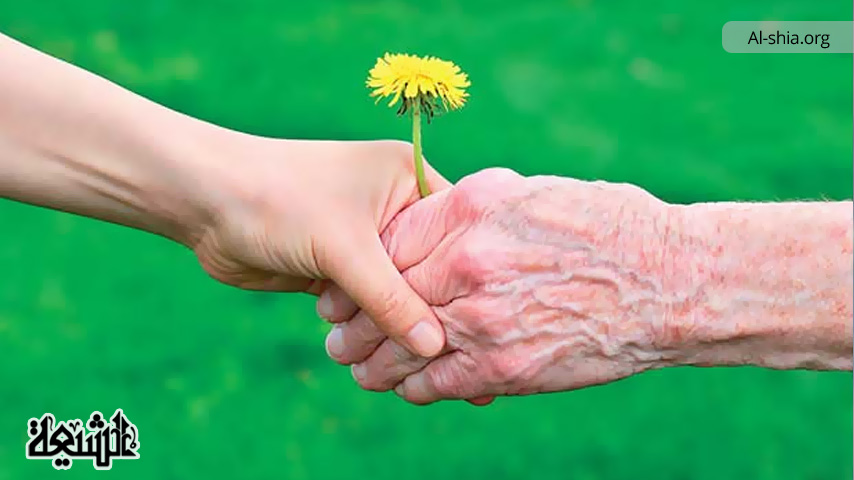

Parents occupy a unique and irreplaceable position in human life. Recognizing the profound role of parents, Islam places exceptional emphasis on honoring and treating parents with kindness, respect, and gratitude. The Holy Qur’an repeatedly links devotion to God with kindness to parents, highlighting their elevated status and the obligation to care for them[1]. Islamic teachings view service to parents not merely as a social obligation but as an act of worship that brings divine pleasure and strengthens family bonds[2]. Thus, kindness to parents remains one of the most cherished moral values in Islam.
This article examines the principles of kindness to parents in Islamic teachings and highlights their significance in fostering strong family relationships and moral development.
The Elevated Status of Parents in Islam
Islam accords parents an exceptionally high status and repeatedly emphasizes the duty of children to honor, respect, and care for their parents. The importance of parents is so great that the Qur’an frequently mentions kindness to parents immediately after the command to worship God alone. Allah says: “Your Lord has decreed that you shall not worship anyone except Him, and [He has enjoined] kindness to parents…”[3]. Placing Unity, monotheism, which is the most fundamental principles of Islam, alongside with being kind and good towards one’s parents, is a further emphasis laid on this important Islamic commandment[4]. This close association demonstrates that respect for parents is among the most important moral obligations in Islam.
The elevated status of parents is rooted in the immense sacrifices they make for their children. Parents dedicate their time, energy, resources, and affection to nurturing and guiding their children from infancy to adulthood. The Qur’an particularly highlights the hardships endured by mothers, stating: “We have enjoined man concerning his parents: His mother carried him through weakness upon weakness, and his weaning takes two years. Give thanks to Me and to your parents”[5]. This emphasis reflects the principle that enduring hardship in the fulfillment of one’s responsibility gives rise to greater rights. Since mothers bear the burdens of pregnancy, childbirth, and nurturing despite weakness and fatigue, they possess a special claim to gratitude, respect, and care. The greater the sacrifice and responsibility undertaken, the greater the rights that are due in return[6].
Imam Ṣādiq (a.s) further emphasized the noble position of parents. When asked about the most excellent deeds, he mentioned prayer at its proper time, kindness to parents, and striving in the path of God[7]. In another narration, kindness to parents is regarded as an unconditional moral obligation that must be upheld regardless of whether the parents are righteous or sinful[8].
These teachings illustrate that gratitude and kindness to parents are among the greatest virtues a Muslim can practice and a source of blessing in both this life and the Hereafter. Believers are encouraged to treat their parents with compassion, speak to them gently, pray for them, and care for them in old age[9]. By honoring their parents, individuals strengthen family bonds, cultivate gratitude, and fulfill one of Islam’s most cherished teachings.
What Kindness to Parents Means in Practice
Islamic teachings do not limit kindness to parents to feelings of love or occasional acts of appreciation. Rather, kindness to parents is expressed through daily conduct, respectful behavior, and a sincere commitment to fulfilling the rights of parents. The Qur’an instructs believers to treat parents with the utmost respect, saying: “…do not say to them, ‘Fie!’ And do not chide them, but speak to them noble words”[10]. This verse instructs believers to refrain from expressing even the slightest annoyance, irritation, or displeasure toward their parents[11].
One of the most important ways of honoring parents is showing gratitude for their sacrifices. Islam therefore encourages children to acknowledge the favors of parents and to express appreciation through words and actions. The Qur’an states: “Give thanks to Me and to your parents”[12], linking gratitude to parents with gratitude to God[13].
Kindness to parents also includes serving parents in their times of need. As parents grow older, they may require emotional support, companionship, financial assistance, and physical care. The Qur’an specifically refers to old age and commands believers to show mercy to parents, praying: “My Lord! Have mercy on them, just as they reared me when I was [a] small [child]!”[14]. Caring for elderly parents, visiting them regularly, listening attentively to them, and assisting them with their daily needs are practical manifestations of Islamic values.
Even when disagreements arise, children are instructed to treat their parents with respect. Islam encourages patience, gentleness, and kindness in dealing with parents, even in the presence of differing views and opinions[15]. Through respectful speech, gratitude, service, patience, and compassion, Muslims are taught that kindness to parents is not merely a social virtue but an act of worship that draws a person closer to God.
Kindness to Parents in Challenging Circumstances
Showing kindness to parents is relatively easy when relationships are harmonious, but the true test of character often arises when difficulties, disagreements, or misunderstandings occur. Islam teaches that the obligation to respect and care for parents does not disappear during challenging circumstances. Instead, believers are encouraged to exercise greater patience, compassion, and wisdom in their dealings with parents.
Differences in opinions, lifestyles, or generations can sometimes create tension between children and parents. Nevertheless, the Qur’an instructs believers to maintain respectful conduct toward parents at all times[16].
Islam also addresses situations in which parents do not share the religious beliefs of their children. The Qur’an states: “But if they urge you to ascribe to Me as partner that of which you have no knowledge, then do not obey them. Keep their company honourably in this world and follow the way of those who turn to Me penitently”[17]. This verse establishes a balanced principle: while obedience to God takes precedence, kindness to parents remains obligatory. If they are among those who turn to God, then one should follow their path; otherwise, one should follow the path of others who have turned to God[18].
The teachings of the Prophet Muhammad (peace and blessings be upon him and his family) further emphasize patience toward parents. Respecting parents, listening to parents, and maintaining ties with parents should not depend on convenience or agreement. Rather, children are encouraged to overlook faults, respond gently, and seek reconciliation whenever possible. By showing patience and mercy toward parents during difficult times, believers demonstrate gratitude for the sacrifices of parents and uphold one of Islam’s most cherished moral values.
Continuing Kindness to Parents After Their Death
In Islam, the duty of kindness to parents does not end with their passing. Although children can no longer serve parents directly, they can continue to honor parents through prayers, charity, and righteous deeds performed on their behalf. This enduring relationship reflects the high status that parents occupy in Islamic teachings and demonstrates that gratitude to parents extends beyond their lifetime.
One of the most important ways of benefiting deceased parents is supplicating for them. The Qur’an teaches believers to pray: “My Lord, have mercy upon them as they raised me when I was small”[19]. One can infer from this verse that the praying of children for their parents who are dead is acceptable by Allah, otherwise, there would be no use in saying: “pray for them”[20].
The Prophet Muhammad (PBUHH) was asked whether any form of kindness to parents could continue after their death. He replied: “Yes: praying for them, seeking forgiveness for them, fulfilling their pledges after them, maintaining ties with those related to them, and honoring their friends”[21]. This narration demonstrates that children can continue to benefit parents through both spiritual and social acts of devotion.
Islam also encourages giving charity on behalf of parents. In a narration of the Commander of the Faithful (a.s), giving charity on behalf of deceased parents is presented as a means of conveying divine mercy, blessings, and abundant rewards to them in the Hereafter, thereby extending one’s kindness and devotion to them even after their passing[22]. Through prayer, charity, and preserving the good legacy of parents, Muslims continue to honor parents even after death. Such acts reflect enduring love for parents and serve as a reminder that the rights of parents remain significant throughout one’s life.
Conclusion
Islam places extraordinary emphasis on honoring parents, recognizing their sacrifices, love, and guidance as among the greatest blessings in life. Kindness to parents is not limited to childhood but remains a lifelong responsibility expressed through respect, gratitude, patience, and care. The Qur’an and the teachings of the Prophet Muhammad (PBUHH) consistently remind believers that serving parents is a path to God’s pleasure and spiritual growth. Even after the death of parents, Muslims are encouraged to continue praying for parents and honoring their legacy. Ultimately, compassion toward parents strengthens families, nurtures moral character, and reflects the core values of Islam.
Footnotes
[1] . Qur’an 17:23–24; 31:14.
[2] . Imam Ṣādiq. (1979). Miṣbāḥ al-Shari`ah, p. 70; Fatal Nayshabūri. (1996). Rawdhah al-Wa`izin wa Basirah al-Muta`azzin, vol. 2, p. 368.
[3] . Qur’an 17:23.
[4] . Faqih Imani (1997). An Enlightening Commentary into the Light of the Holy Qur’an, vol. 8, p. 668.
[5] . Qur’an 31:14
[6]. Qara’ati (2009). Tafsir-e Nūr, vol. 7, p. 251.
[7] . Kulayni. (1986). Al-Kāfī, vol. 2, p. 158.
[8] . Ibn Babaweyh. (2006). al-Khiṣāl, vol. 1, p 128.
[9] . Board of Writing the Textbooks. (2005). Islamic Manners, vol. 1, p. 40.
[10] . Qur’an 17:23
[11] . Makārim Shīrāzī. (1992). Tafsir-e Nemuneh, vol. 12, p. 76.
[12] . Qur’an 31:14
[13] . Rezaei Isfahani. (1387 SH). Tafsīr-i Qurʾān-i Mehr, vol. 16, p. 216.
[14] . Qur’an 17:24.
[15] . Qur’an 31:15.
[16] . Qur’an 17:23
[17] . Qur’an 31:15.
[18] . Ṭabāṭabāī. (1970). Al-Mīzān fī Tafsīr al-Qur’an, vol. 16, p. 217.
[19] . Qur’an 17:24.
[20] . Faqih Imani (1997). An Enlightening Commentary into the Light of the Holy Qur’an, vol. 8, p. 670.
[21] . Nouri. (1978). Mustadrak al-Wasa’il, vol. 2, p. 114.
[22] . al-Daylamī. (). Irshād al-Qulūb ilā al-Ṣawāb, vol. 1, pp. 175-176.
References
Holy Qur’an (with the English translation: Qarai, Ali Quli (2005). The Qur’an: With a Phrase-by-Phrase English Translation (2nd edition). London: Islamic College for Advanced Studies (ICAS) Press.
- al-Daylamī, Ḥassan ibn Muḥammad. (1991). Irshād al-Qulūb ilā al-Ṣawāb (1st edition). Qom: Sharif Radhi.
- Board of Writing the Textbooks. (2005). Islamic Manners. Qom: The Organization of Abroad Howza and Islamic Schools.
- Faqih Imani, Sayyid Kamal et al. (1997). An Enlightening Commentary into the Holy Qur’an (1st edition). Translated by Sayyid Abbas Sadr-‘Ameli. Isfahan: Iman Ali Library and Research Centre.
- Fatal Nayshabūri, Muḥammad ibn Ahmad. (1996). Rawdhah al-Wa`izin wa Basirah al-Muta`azzin (1st edition). Qom: Radhi Press.
- Ibn Babaweyh, Muḥammad ibn Ali. (2006). al-Khiṣāl (1st edition). Qom: Jami`ah Mudarrisin.
- Ja`far ibn Muḥammad. (1979). Miṣbāḥ al-Shari`ah (1st edition). Beirut: A`lami
- Kulayni, Muhammad ibn Ya`qoub. (1986). Al-Kāfī (4th edition). Tehran: Dar al-Kutub al-Islamiyyah.
- Makārim Shīrāzī, Nāsir. (1992). Tafsir-e Nemuneh (10th edition). Tehran: Dar al-Kutub al-Islamiyyah.
- Nouri, Husain ibn Muḥammad Taqi. (1978). Mustadrak al-Wasa’il wa Mustanbit al-Masa’il (1st edition). Qom: Al al-Bayt Institute.
- Qara’ati, Mohsen. (2009). Tafsir-e Nūr (1st edition). Tehran: Cultural Center for Teachings of the Qur’an.
- Rezaei Isfahani, Mohammad ʿAli. (1387 SH). Tafsīr-i Qurʾān-i Mehr (1st edition). Qom: Pazhūhishhā-e Tafsīr va ʿUlūm-i Qurʾān.
- Ṭabāṭabāī, Muḥammad Ḥussayn. (1970). Al-Mīzān fī Tafsīr al-Qur’an (2nd edition). Beirut: Mu’asassat al-A’lami li al-Matbou’aat.

![The Event of Ghadir and Imam al-Mahdi [afs]](https://en.al-shia.org/wp-content/uploads/2026/06/17221.jpg)