

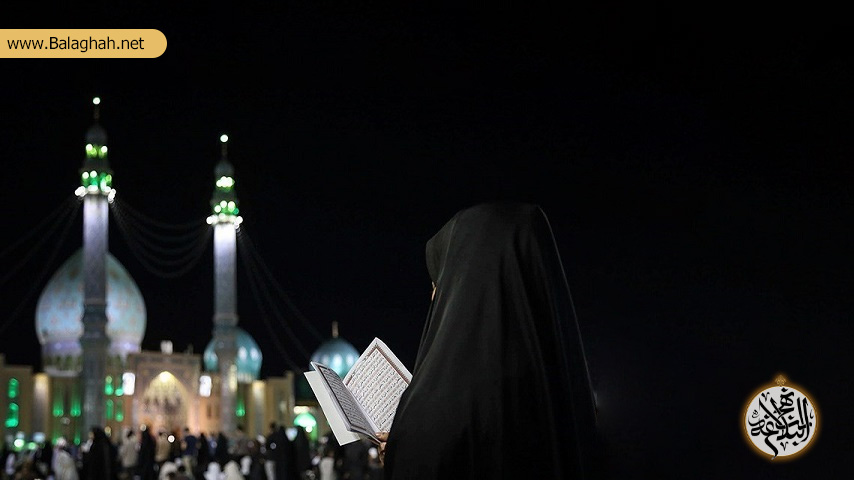

The belief in Imam al-Mahdi is one of the most cherished teachings in Islam, particularly in the school of the Ahl al-Bayt (a.s.). Muslims are encouraged not only to believe in Imam al-Mahdi but also to develop a sincere spiritual relationship with him through faith, worship, righteous conduct, and steadfast obedience to Allah.
This study aims to examine several practical and spiritual ways through which believers can strengthen their connection with Imam al-Mahdi (ajfs) during the period of occultation. By presenting these approaches in a clear and accessible manner, the article seeks to encourage readers to cultivate a more conscious relationship with him in their daily lives and to prepare themselves to become among his sincere and faithful supporters.
What Does It Mean to Be Spiritually Connected to Imam al-Mahdi (ajfs)?
A spiritual connection with Imam al-Mahdi is far more than an emotional attachment or the hope of witnessing his reappearance. It is a living relationship rooted in faith, obedience to Allah, love for the Ahl al-Bayt (peace be upon them), and commitment to living according to divine guidance. Although Imam al-Mahdi is in occultation, he remains the living Proof (Ḥujjah) of Allah on earth, entrusted with preserving the religion and guiding humanity by Allah’s permission.
Although the Imam is in occultation, his absence does not prevent believers from benefiting from his guidance or strengthening their connection with him. Just as the sun continues to give light even when hidden behind clouds, Imam al-Mahdi remains a source of divine guidance, hope, and blessing for humanity[1].
The Holy Qur’an repeatedly emphasizes the importance of obeying Allah, His Messenger, and those vested with divine authority: “O you who have faith! Obey Allah and obey the Apostle and those vested with authority among you…”[2]
According to numerous narrations transmitted from the Ahl al-Bayt (a.s.), the divinely appointed Imams are the true Ulū al-Amr, whose obedience is inseparable from obedience to Allah and His Messenger. As Imam al-Bāqir (a.s.) stated: “He meant us in particular, and He commanded all believers, until the Day of Resurrection, to obey us”[3].
The Qur’an also declares that every community is gathered with its divinely appointed leader: “The day We shall summon every group of people along with their imam…”[4] This verse highlights the enduring significance of having an Imam in every age. The question of Imamate—leadership—and Wilāyah—divinely ordained authority—is central to human life. It is not a marginal or merely doctrinal matter that can be set aside or treated as secondary. Leadership can determine whether people attain happiness or fall into wretchedness. The consequences of choosing a leader and obeying him therefore extend throughout one’s life and endure even to the threshold of the Hereafter[5].
Spiritual connection with Imam al-Mahdi therefore begins by recognizing his divine position and expressing loyalty through action. Every sincere prayer, every act of worship performed for Allah, every effort to uphold justice, and every act of kindness carried out with the intention of pleasing Allah strengthens this relationship. A believer who strives to avoid sin, uphold truth, and embody the teachings of the Qur’an and the Ahl al-Bayt (a.s.) is, in reality, nurturing a closer bond with Imam al-Mahdi (ajfs).
Thus, spiritual connection with Imam al-Mahdi (ajfs) is a lifelong journey of faith, devotion, self-purification, and readiness to answer his call whenever Allah permits his blessed reappearance.
Knowing Imam al-Mahdi: The Foundation of Every Spiritual Connection
Every meaningful relationship begins with knowledge. It is impossible to truly love, follow, or remain loyal to someone without first knowing who they are. The same principle applies to Imam al-Mahdi (ajfs). The first and most essential step towards developing a spiritual connection with him is maʿrifah—a deep and informed recognition of his identity, divine role, and mission. Such recognition goes beyond merely knowing his name or lineage; it means acknowledging him as the divinely appointed Imam whose obedience is part of obedience to Allah and His Messenger.
The Prophet Muhammad (PBUHH) emphasized the necessity of recognizing the Imam of every age when he declared: “Whoever dies without knowing the Imam of his time dies the death of ignorance (Jāhiliyyah).”[6] This famous tradition highlights that recognizing the Imam is a fundamental element of faith rather than an optional aspect of Islamic belief.
Knowledge of Imam al-Mahdi (ajfs) includes understanding that he is the twelfth Imam from the family of the Prophet (PBUHH), the son of Imam al-Ḥasan al-ʿAskarī (a.s), and that Allah has preserved him during the period of occultation until the appointed time for his universal mission of establishing justice. The Prophet (PBUHH) foretold this mission, saying: “Even if only one day remained of this world, Allah would prolong that day until He sends a man from my family whose name is my name. He will fill the earth with justice and equity just as it had been filled with oppression and tyranny.”[7]
For this reason, the scholars of Islam have long regarded maʿrifah al-Imam (recognition of the Imam) as the cornerstone of spiritual growth during the period of occultation. It illuminates the heart, strengthens faith, and provides believers with clarity and purpose as they journey towards Allah while awaiting the promised appearance of Imam al-Mahdi (ajfs).
Strengthening the Connection Through Worship
One of the most effective ways to strengthen one’s spiritual connection with Imam al-Mahdi is by drawing closer to Allah through sincere worship. Since the Imam is Allah’s chosen representative and guide, every act that brings a believer nearer to Allah also deepens his or her relationship with the Imam. Worship is therefore not merely a set of rituals; it is a means of purifying the heart, increasing faith, and preparing oneself to be among the Imam’s faithful followers.
- Performing the Obligatory Prayers with Sincerity: The five daily prayers are the foundation of a believer’s relationship with Allah. A believer who is diligent in prayer demonstrates obedience to Allah and respect for the teachings brought by the Prophet (PBUHH) and preserved by the Ahl al-Bayt (a.s). Such devotion is among the qualities expected of those who sincerely await Imam al-Mahdi.
- Performing the Voluntary Worship: In addition to the obligatory acts, voluntary prayers, fasting, charity, and night worship (Ṣalāt al-Layl) help believers attain a higher level of closeness to Allah. This divine love transforms the believer’s character and strengthens the qualities needed to become a sincere supporter of Imam al-Mahdi.
True worship is reflected in daily conduct. It inspires honesty, justice, patience, humility, and compassion—qualities that characterize the followers of the Imam. Imam Jaʿfar al-Ṣādiq (a.s) advised: “Whoever wishes to be among the companions of the Qāʾim should await him and, while awaiting him, act with piety and virtuous character.”[8]
This narration reminds believers that the strongest spiritual connection with Imam al-Mahdi is achieved not only through acts of devotion but also through living a life that reflects the values he will establish throughout the world.
Building a Daily Relationship with Imam al-Mahdi
A strong spiritual connection with Imam al-Mahdi (ajfs) grows through sincerity, consistency, and daily commitment rather than occasional devotion. By regularly remembering Allah and incorporating meaningful spiritual practices into their daily lives, believers can keep the remembrance of Imam al-Mahdi (ajfs) alive in their hearts and strengthen their faith.
- Begin Each Day by Remembering the Imam: Beginning the day with the remembrance of Allah and prayers for Imam al-Mahdi (ajfs) strengthens spiritual awareness and renews one’s commitment to his mission. Reciting Duʿāʾ al-ʿAhd[9] each morning for forty days as reported by Imam Jaʿfar al-Ṣādiq[10] (a.s.) serves as a daily covenant of loyalty, reminding believers to live in obedience to Allah and remain prepared to support Imam al-Mahdi.
- Remember the Imam in Your Daily Worship: Every act of worship can become an opportunity to strengthen one’s bond with Imam al-Mahdi. After the obligatory prayers, believers may ask Allah to hasten the Imam’s reappearance, grant him safety, and make them among his sincere followers.
- Give Charity on Behalf of the Imam: Giving charity (ṣadaqah) with the intention of seeking Allah’s protection and blessings for Imam al-Mahdi is a recommended practice among many scholars[11]. Although the Imam is under Allah’s protection, this act expresses love, loyalty, and concern for his mission. At the same time, charity purifies wealth and strengthens compassion toward others.
Such acts remind believers that supporting the cause of justice begins with generosity and selflessness.
- Reflect on Your Actions: A practical way to maintain a daily relationship with Imam al-Mahdi is through regular self-examination (muḥāsabah). At the end of each day, believers can ask themselves: “Would my words and actions today have pleased the Imam? Did I fulfil my obligations to Allah and His creation?”
Imam Mūsā al-Kāẓim (a) said: “He is not one of us who does not take account of himself every day.”[12]
This habit encourages continuous spiritual growth and helps believers correct their shortcomings before they become deeply rooted.
Obstacles That Weaken Spiritual Connection with Imam al-Mahdi
Just as there are paths that strengthen a believer’s relationship with Imam al-Mahdi, there are also obstacles that weaken this spiritual bond. These barriers do not arise because the Imam is inaccessible; rather, they stem from attitudes and actions that distance a person from Allah. Since closeness to Imam al-Mahdi is inseparable from closeness to Allah, anything that weakens one’s faith and obedience also weakens one’s connection with the Imam. Recognizing these obstacles is the first step toward overcoming them.
- Persisting in Sin: Sin darkens the heart and prevents a believer from benefiting fully from divine guidance. The Qur’an explains that repeated wrongdoing leaves a stain upon the heart[13].
For those who await Imam al-Mahdi (ajfs), avoiding sin and hastening to repentance are essential.
- Neglecting Obligatory Acts of Worship: Prayer, fasting, zakat, and other obligatory acts are the foundation of Islamic life. Neglecting them gradually weakens faith and distances a person from Allah.
A believer who consistently fulfills these obligations demonstrates loyalty to Allah and the teachings upheld by Imam al-Mahdi.
- Excessive Attachment to the Material World: Islam does not prohibit seeking lawful worldly blessings, but it warns against allowing worldly pursuits to dominate one’s heart.
When wealth, status, or personal ambitions become the primary focus of life, remembrance of Allah and concern for the Hereafter diminish. A heart overly attached to worldly distractions finds it difficult to cultivate a deep and lasting connection with Imam al-Mahdi.
- Despair and Loss of Hope: One of the greatest spiritual dangers during the period of occultation is despair. Some may become discouraged by the prevalence of injustice or the length of the Imam’s occultation.
Hope is a defining characteristic of those who truly await Imam al-Mahdi. They trust in Allah’s promise that truth will ultimately prevail and continue striving for righteousness despite the challenges they face.
- Ignorance of the Imam’s Mission: A weak understanding of Imam al-Mahdi, his role, and his mission can also hinder spiritual growth. The Prophet (PBUHH) emphasized the importance of recognizing the Imam of one’s time[14], while the Ahl al-Bayt (a.s) repeatedly encouraged believers to seek knowledge.
The Fruits of a Strong Relationship with Imam al-Mahdi
Developing a sincere spiritual connection with Imam al-Mahdi brings profound benefits to both the individual and society. Although believers may not physically meet the Imam during the period of occultation, their faith, worship, and commitment to his teachings transform their hearts and shape their lives.
- Stronger Faith and Certainty: Knowing and loving Imam al-Mahdi (ajfs) strengthens a believer’s conviction in Allah’s wisdom and His promises. Even in times of widespread injustice and uncertainty, believers remain confident that Allah’s plan will ultimately prevail.
- Inner Peace and Hope: One of the greatest blessings of maintaining a relationship with Imam al-Mahdi is the hope it instills. Believers recognize that no matter how difficult the circumstances of the world may become, Allah’s mercy and guidance remain present through His Proof.
- Noble Character and Moral Excellence: A sincere follower of Imam al-Mahdi naturally seeks to reflect the values and virtues associated with his mission[15]. Genuine love for Imam al-Mahdi should therefore be expressed through righteous character and conduct, inspiring believers to cultivate honesty, justice, mercy, humility, patience, generosity, and forgiveness in their daily lives. In this way, love for the Imam becomes not merely a feeling but a practical commitment to embodying the moral qualities that he represents.
- Readiness to Support the Imam: The ultimate fruit of spiritual connection is readiness. Those who consistently seek Allah’s pleasure, cultivate good character, and remain steadfast in faith become spiritually prepared to answer the call of Imam al-Mahdi whenever Allah permits his reappearance. Their waiting is not passive but active, marked by continuous self-improvement and service to humanity.
Ultimately, a strong relationship with Imam al-Mahdi transforms believers from within. It fills their hearts with faith instead of doubt, hope instead of despair, and purpose instead of aimlessness. By nurturing this relationship through worship, righteous action, knowledge, and sincere devotion, believers prepare themselves to become worthy servants of Allah and faithful supporters of His final Proof on earth.
Conclusion
Building a spiritual connection with Imam al-Mahdi (ajfs) is a lifelong journey rooted in knowing, loving, and following him through obedience to Allah, the Prophet Muhammad (ṣ), and the Ahl al-Bayt (peace be upon them). Although Imam al-Mahdi (ajfs) is in occultation, believers can strengthen their relationship with him through sincere worship, knowledge, supplication, righteous deeds, and steadfast devotion. This connection requires avoiding sin, fulfilling religious obligations, cultivating good character, and overcoming despair and excessive attachment to worldly life.
True awaiting for Imam al-Mahdi (ajfs) is therefore an active commitment to self-purification, justice, compassion, and service to others. Every sincere prayer, charitable act, and effort toward moral excellence prepares believers to become worthy supporters of Imam al-Mahdi (ajfs) and contributes to the values of his promised mission.
May Allah deepen our love and recognition (maʿrifah) of Imam al-Mahdi (ajfs), purify our hearts, strengthen our faith, hasten his blessed reappearance, and grant us the honour of being among his faithful supporters and helpers. Āmīn.
Notes:
[1] . Saduq. Kamal al-Din wa Tamam al-Ni’mah, pp. vol. 1, p. 253.
[2]. Qur’an 4:59.
[3] . Huwayzi. Tafsīr Nūr al-Thaqalayn, vol. 1, p. 497.
[4] . Qur’an 17:71.
[5] . Faqih Imani. An Enlightening Commentary into the Light of the Holy Qur’an vol. 8, pp. 774-775.
[6] . Hilali. Kitab Sulaym ibn Qays al-Hilali, vol. 2, p. 932.
[7] . Saduq. Kamal al-Din wa Tamam al-Ni’mah, pp. vol. 1, p. 280.
[8] . Nuʿmānī. Kitāb al-Ghaybah, p. 200.
[9] . Ibn al-Mashhadī. al-Mazār al-kabīr, pp. 663-666; Kafʿamī. al-Miṣbāḥ, pp. 550-552; Kafʿamī. al-Balad al-Amīn, p. 83.
[10] . Majlisī. Biḥār al-anwār, vol. 83, p. 284.
[11] . FarajPur. Remembering Imam al-Mahdi, p. 179.
[12] . Kulaynī. Al-Kāfī, vol. 2, p. 453.
[13] . Qur’an 83:14.
[14] . Hilali. Kitab Sulaym ibn Qays al-Hilali, vol. 2, p. 932.
[15] . Nuʿmānī. Kitāb al-Ghaybah, p. 200.
References
Holy Qur’an (with the English translation: Qarai, Ali Quli (2005). The Qur’an: With a Phrase-by-Phrase English Translation (2nd edition). London: Islamic College for Advanced Studies (ICAS) Press.
- Faqih Imani, Sayyid Kamal et al (1997). An Enlightening Commentary into the Holy Qur’an (1st edition). Translated by Sayyid Abbas Sadr-‘Ameli. Isfahan: Imam Ali Library and Research Centre.
- FarajPur, Hammed. (2026). Remembering Imam al-Mahdi (atfs). NP.
- Hilali, Sulaym ibn Qays. (1948). Kitab Sulaym ibn Qays al-Hilali. 1st edition. Qom: al-Hadi Publicatons.
- Huwayzi, Abd al-`Ali ibn Jumu`ah. (1994). Tafsīr Nūr al-Thaqalayn. 4th edition. Qom: Isma`iliyan Publishers.
- Ibn al-Mashhadī, Muḥammad ibn Jaʿfar. (1419 AH). Al-Mazār al-kabīr. Qom: Jamiʿat al-Mudarrisīn.
- Kafʿamī, Ibrāhīm ibn ʿAli. (1405 AH). Al-Miṣbāḥ fī al-Adʿīyya wa l-Ṣalawāt wa l-Zīyārāt. Qom: Dār al-Raḍī.
- Kafʿamī, Ibrāhīm ibn ʿAli. (1418 AH). Al-Balad al-Amīn wa l-dirʿ al-Ḥaṣīn. Beirut: Muʾassisat al-Aʿlamī li-l-Maṭbūʿāt.
- Kulaynī, Muḥammad ibn Yaʿqūb. (1986). Al-Kāfī. 4th edition. Tehran: Dār al-Kutub al-Islāmiyyah.
- Majlisī, Muḥammad Bāqir. (1403 AH). Biḥār al-anwār al-jāmiʿa li-durar akhbār al-aʾimmat al-aṭhār. Beirut: Dār Iḥyāʾ al-Turāth al-ʿArabī.
- Nuʿmānī, Muḥammad ibn Ibrāhīm. (1976). Kitāb al-Ghaybah. Edited by ʿAlī Akbar al-Ghaffārī. Tehran: Ṣadūq Publications.
- Ṣadūq, Muḥammad ibn ʿAlī ibn Bābawayh. (1984). Kamāl al-Dīn wa Tamām al-Niʿmah. Qom: Islamic Publications Office.




![The Event of Ghadir and Imam al-Mahdi [afs]](https://en.al-shia.org/wp-content/uploads/2026/06/17221.jpg)