



In Islam, prophets are seen as the most trustworthy and guided individuals chosen by Allah to deliver His message to humanity. One of the core beliefs surrounding their role is the concept of prophetic infallibility in Islam. This means that prophets are protected from sin and error, ensuring the purity of the divine message they convey. Understanding prophetic infallibility in Islam helps Muslims appreciate the unique status of prophets and the wisdom behind their mission. In this article, we explore what prophetic infallibility in Islam truly means and why it matters in Islamic belief.
The Meaning of Infallibility (ʿIṣmah)
Etymologically, the Arabic word ʿIṣmah is derived from the triliteral root ʿ-ṣ-m (ع-ص-م), which conveys the core meanings of: to preserve, safe(guard), protect, or defend[1] , and according to Ibn Manẓūr, abstinence or immunity[2]. Therefore, the term ʿIṣmah literally means “infallibility”; a spiritual grace (Luṭf)[3] to a person which enables him to abstain from sins by his own free will[4]. In other words, “infallibility” is a firm protection or preventive restraint that keeps someone from error, sin, or harm, and a person who has been given that grace of God is called a ma‘ṣūm, infallible, sinless.
In Islamic theology, the term infallibility (ʿIṣmah) refers to the divine protection granted to prophets, preventing them from committing sins, making major mistakes, or distorting the divine message. This concept ensures that the prophets serve as perfect role models and trustworthy conveyors of God’s guidance. Shaykh Muzaffar, in his The Faith of the Imamiyyah Shi’ah, writes: “Infallibility means to avoid committing sins and acts of disobedience to Almighty Allah, be they major or trivial. It also includes refraining from committing errors and expressing unawareness, even if such things are rationally not impossible for the prophets[5].”
Meanwhile, it is pertinent to mention that the meaning of prophetic infallibility in Islam goes beyond simple sinlessness; it encompasses a comprehensive spiritual and moral integrity in all aspects of the Prophet’s life, whether in belief, actions, or speech.
According to most scholars, this infallibility is not due to a lack of free will, but rather because of their heightened awareness of God’s presence and their special status as messengers. In this regard, Sayyid Muhammad Rizvi writes: “…though a ma‘ṣūm [the infallible] has the ability to commit sin, he never even imagines of committing a sin because (a) the love for God in his heart leaves no room for displeasing Him by committing sins, and (b) he is fully aware of the consequences of committing sins[6].”
Prophetic Infallibility in Islamic Schools
The doctrine of prophetic infallibility in Islam is a well-established concept, but its interpretation and scope vary among the major Islamic schools of thought. While all schools agree on the essential trustworthiness and moral uprightness of the prophets, they differ regarding the nature, extent, and timing of this infallibility. These differences reflect theological, jurisprudential, and philosophical concerns within both Sunni and Shia traditions.
1. Sunni Perspectives on Prophetic Infallibility
Prophetic infallibility in Islam is a subject of varied interpretation among Sunni Muslims. All Sunni scholars agree that, regarding prophetic infallibility in Islam, prophets cannot lie or commit acts of disbelief (kufr), whether before or after their divine mission. They also concur that prophets do not commit any sins intentionally, affirming a core aspect of prophetic infallibility in Islam. However, there is disagreement when it comes to unintentional major sins: while the majority allow for the possibility, a minority rejects it. Concerning minor sins, most Sunnis believe that prophets may commit them, as long as such actions do not diminish their status or integrity in the eyes of the people. These views reflect the nuanced understanding of prophetic infallibility in Islam within Sunni theology[7].
2. Shia Perspectives on Prophetic Infallibility
The concept of prophetic infallibility in Islam is more deeply developed and emphasized in Twelver Shi‘ism, where infallibility is extended not only to the prophets but also to the twelve Imams.
The Shia Muslim believes that all the Prophets were sinless and infallible; they could not sin, neither a major sin nor a minor sin; neither intentionally nor inadvertently; and this applies to them from the beginning to the end of their lives.
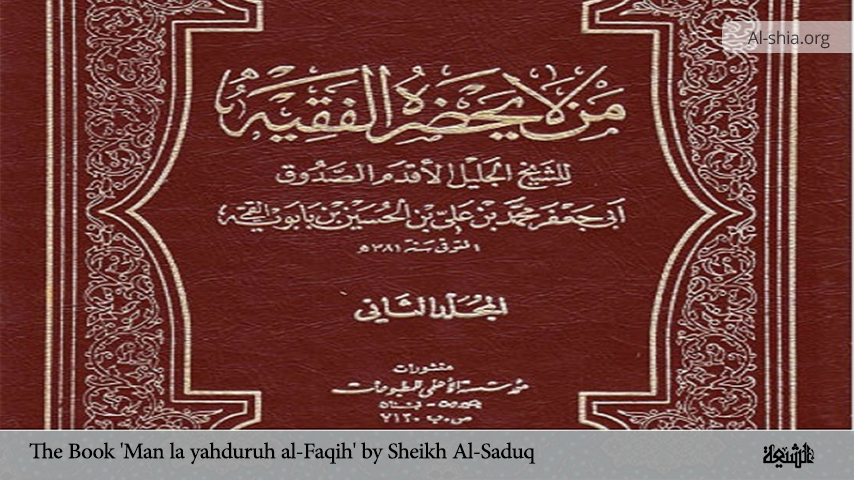
Shaykh Abu Ja‘far aṣ-Ṣadūq says: “Our belief concerning the prophets, apostles, Imams and angels is that they are infallible (ma‘ṣūm), purified from all defilement (danas), and that they do not commit any sin, whether it be minor or major. They do not disobey Allah in what HE has commanded them; they act in accordance with His behests. He who denies infallibility to them in any matter appertaining to their status is ignorant of them, and such a one is a Kafir (unbeliever).[8]“
Shaykh Muzaffar, in his The Faith of the Imamiyyah Shi’ah, writes: “We believe that the prophets, all without exception, are infallible. So are the Holy Imams (`a), the successors to the Holy Prophet (s); pure blessings be upon them all… Infallibility (`ismah) means to avoid committing sins and acts of disobedience to Almighty Allah, be they major or trivial. It also includes refraining from committing errors and expressing unawareness, even if such things are rationally not impossible for the prophets. Nevertheless, a Prophet is required to be far above even slight defects that may injure his personality, such as eating like ordinary people and laughing loudly, as well as every act that is crude[9].”
The Rationale Behind Prophetic Infallibility in Islam
The belief in prophetic infallibility in Islam is not merely a theological assertion—it is deeply rooted in the logical and moral necessity of ensuring divine guidance remains authentic and untainted. The rationale behind this belief is supported by intellectual reasoning, moral imperatives, and scriptural evidence. The idea is that prophets, as chosen representatives of God, must be completely reliable, both in what they convey and in how they live.
- Necessity for Trustworthy Guidance
At the heart of prophetic infallibility in Islam is the need for certainty in religious guidance. If a prophet were susceptible to error or sin in delivering divine revelation, it would undermine the very purpose of their mission and the reliability of the divine message.
The Qur’an commands believers to obey the Messenger without condition: “and obey Allah and the Apostle so that you may be granted [His] mercy.” (Quran 3:132)
Abu Hayyan, Muḥammad ibn Yusuf, in his interpretation Al-Bahr al-Muḥīṭ fī al-Tafsīr, writes: It was said: “And obey Allah and the Messenger in what he commands you and forbids you from, for obeying the Messenger is obedience to Allah.” Allah, the Exalted, said: “Whoever obeys the Apostle certainly obeys Allah[10].” Al-Mahdawī said: “The mention of the Messenger is an additional clarification and emphasis, and a statement that his obedience is the obedience of Allah.[11]”
Because of this, obedience without reservation implies that the Prophet must be protected from error; otherwise, blind obedience would be irrational and potentially dangerous. This verse suggests the necessity of his infallibility in what he conveys.
- Moral Authority and Role Modeling
Prophets are not just conveyors of laws—they are moral exemplars. Their lives are meant to embody divine ethics and serve as a model for believers. The Qur’an declares: “and indeed you possess a great character.” (Qur’an 68:4)
According to Tafsīr Nūr by Qarā’atī, this verse emphasizes the Prophet Muhammad’s (PBUHH) impeccable conduct, which in turn reflects the divine safeguarding from moral lapses[12].
If prophets were morally fallible, their example would be unreliable, contradicting the Qur’an’s command to follow their actions: “There is certainly a good exemplar for you in the Apostle of Allah—for those who look forward to Allah and the Last Day, and remember Allah much[13]”
- Rational Proofs
Muslim theologians, particularly from the Muʿtazilī and Shīʿa schools, emphasize rational proofs for prophetic infallibility in Islam.
They argue that divine justice (ʿadl) requires that God not lead people astray. Sending a prophet who may mislead others would be inconsistent with God’s justice and wisdom.
Misconceptions About Prophetic Infallibility in Islam
Despite its centrality in Islamic theology, prophetic infallibility in Islam is often misunderstood, both by non-Muslims and even some within the Muslim community. Common misconceptions include the belief that infallibility means prophets were divine, or that it denies their humanity, or the possibility of human emotion and struggle.
- Infallibility Does Not Equal Divinity
A common error is to assume that prophetic infallibility in Islam equates to divinity. However, Islam strictly upholds the absolute monotheism (tawḥīd), and all prophets are human beings chosen by God.
The Qur’an explicitly states: “Say, ‘I am just a human being like you. It has been revealed to me that your God is the One God…[14]” The Muslim scholars clarify that this verse emphasizes the humanity of the Prophet despite his divine mission.
- Infallibility Does Not Deny Human Experience
Another misconception is that infallibility erases the human experiences of the prophets. In reality, prophets faced fear, sorrow, and hardship—what made them exemplary was how they responded through trust in God and moral strength. Example: The grief of Prophet Yaʿqūb (Jacob) over the loss of his son is portrayed in Surah Yūsuf (Qur’an 12:84), yet he remained within divine guidance.
- Clarifying Verses Misunderstood as Errors
Some verses are cited to claim that prophets sinned. For example: “That he (Jonah) went off in anger…” (Qur’an 37:139-144) These verses have different interpretations and cannot be used against the concept of infallibility. The Muslim scholars have responded to all those verses.
Conclusion
In conclusion, Prophetic Infallibility in Islam is a foundational doctrine that safeguards the trustworthiness, authority, and divine guidance of the prophets. It ensures that their words and actions remain free from error or sin, thereby making them reliable models for human conduct and preserving the integrity of the divine message. Without Prophetic Infallibility in Islam, the very purpose of prophethood—guiding humanity with certainty and truth—would be undermined. Thus, belief in Prophetic Infallibility in Islam is essential for maintaining the coherence of Islamic theology and the obligation to follow the prophets without hesitation.
Notes
[1] . Baalbaki, Rohi (2010). Al-Mawrid: A Modern Arabic-English Dictionary, p. 764.
[2] . Ibn Manẓūr, Lisān al-ʿArab, vol. 12, p. 403.
[3] . Sharīf al-Murtaḍā, Rasāʾil al-sharīf al-Murtaḍā, p. 326.
[4] . Al-Mufīd (1413 AH). Taṣḥīḥu ’l-I‘tiqād, p. 128 (in vol. 5 of Muṣannafātu ’sh-Shaykhi’l-Mufīd, Qum, 1413 AH).
[5] . Muzaffar, Muhammad Ridha (1423 AH). The Faith of the Imamiyyah Shi’ah, p. 53.
[6] . Sayyid Muhammad Rizvi (2005). The Infallibility of the Prophets in the Qur’ān, p. 2.
[7] . See al-Qāḍi ‘Abdu ’l-Jabbār, Sharḥu ’l-Uṣūli ’l-Khamsah, p. 573-575; al-Qawshaji, Sharḥu ’al-Tajríd, p. 464
[8] . Shaykh as-Ṣadūq (n.d). A Shi’ite Creed, p. 71.
[9] . Muzaffar, Muhammad Ridha (1423 AH). The Faith of the Imamiyyah Shi’ah, pp. 52-53.
[10] . Qur’an 4:80.
[11]. Abu Hayyan, Muḥammad ibn Yusuf (1999). Al-Bahr al-Muḥīṭ fī al-Tafsīr, vol. 3, p. 341.
[12] . Qara’ati, Mohsen (2009). Tafsir-e Nūr, vol. 10, p. 173.
[13] . Qur’an 33:21.
[14] . Qur’an 18:110.
References
Holy Qur’an (Translator: Qara’i, Ali Quli. The Qur’an (With a Phrase-by-Phrase English Translation). 2nd ed. London: Islamic College for Advanced Studies (ICAS) Press, 2005.
Abu Hayyan, Muḥammad ibn Yusuf (1999). Al-Bahr al-Muḥīṭ fī al-Tafsīr (1st edition). Editor: Jamil, Sedqi Muhammad. Beirut: Dar al-Fikr.
Baalbaki, Rohi (2010). Al-Mawrid: A Modern Arabic-English Dictionary (19th edition). Beirut: Dar e-Ilm Lilmalayin.
Ibn Manẓūr, Muḥammad ibn Mukarram (1414 AH). Lisān al-ʿArab. Beirut: Dār al-Fikr.
Muzaffar, Muhammad Ridha (1423 AH). The Faith of the Imamiyyah Shi’ah. Translator: Badr Shahin. Qom: The Ahl al-Bayt (`a) World Assembly.
Qara’ati, Mohsen (2009). Tafsir-e Nūr (1st edition). Tehran: Cultural Center for Teachings of the Qur’an.
Sayyid Muhammad Rizvi (2005). The Infallibility of the Prophets in the Qur’ān (1st edition). Tanzania: Bilal Muslim Mission of Tanzania.
Sharīf al-Murtaḍā, ʿAlī ibn al-Ḥusayn (1405 AH). Al-Rasāʾil al-sharīf al-Murtaḍā. Qom: Dār al-Kutub.
Shaykh as-Ṣadūq (n.d). A Shi’ite Creed. Tehran: World Organization for Islamic Services (WOFIS).







![The Event of Ghadir and Imam al-Mahdi [afs]](https://en.al-shia.org/wp-content/uploads/2026/06/17221.jpg)