

Sermon 142 of Nahj al-Balagha, especially the section dealing with giving and forgiveness, is among the luminous passages that explain the various dimensions of this divine virtue and offer practical ways to realize it in both individual and social life. This article examines and explains six methods of giving and forgiveness emphasized by Imam Ali (AS) in this sermon, while also highlighting the importance and effects of these noble acts and their role in elevating human character and flourishing the Islamic community.
Imam Ali (AS), in eloquent and expressive language, states: “So whoever Allah has granted wealth, let him use it to maintain ties of kinship, show generosity in hospitality, free captives and prisoners, and give to the poor and the indebted”.[1] This radiant statement identifies six key areas of giving and forgiveness, each of which carries profound social and spiritual dimensions.
1. The Priority of Giving to Relatives
In the teachings of Imam Ali (AS), one of the most important areas of charity is caring for one’s relatives and family members. This priority is clearly expressed in his noble saying: “So whoever Allah has granted wealth, let him use it to maintain ties of kinship”.[2]
This statement emphasizes that the first duty of a person who possesses wealth is to give and show generosity to their close relatives. Through such giving, family bonds are strengthened, and the grounds for mutual kindness and affection are established.
Relatives, as the closest people to an individual, hold a special priority in receiving help and support. Beyond fulfilling their material needs, this practice strengthens family cohesion, increases empathy, and reduces conflicts. In a narration from Imam al-Sadiq (AS), also cited in this text, charity given to relatives who harbor resentment or enmity is considered the most excellent form of charity, due to the difficulty of doing so and its deep effect in creating peace and reconciliation.[3] This emphasis shows that Islam pays special attention to meeting the material and emotional needs of one’s kin and family.
2. Showing Generosity in Hospitality
The second form of giving and forgiveness is Ehsan al-diyafah, showing generosity in hospitality. In Islamic culture, honorable hosting has always been seen as a symbol of generosity, dignity, and respect for the human being.
Regarding the importance of this matter, a valuable narration from Imam Ali (AS) states: “Whoever honors a guest, it is as though he has honored seventy prophets; and whoever spends one dirham on his guest, it is as though he has spent a million dinars in the way of Allah”.[4]
This noble saying beautifully illustrates both the great value of giving and generosity toward guests and the importance of respecting and honoring them.
Similarly, Imam al-Sadiq (AS) said to one of his companions: “Do you love your brothers in faith?” He replied: “Yes.”
The Imam (AS) then asked: “Do you invite them to your home?” He replied: “Yes, I never eat alone; I always share my meal with two or three, or fewer or more friends.”
Imam al-Sadiq (AS) said: “Their generosity toward you is greater than your generosity toward them.”
The man was surprised and said: “May I be your ransom! I give them food and invite them to my home, yet you say their generosity toward me is greater?”
The Imam (AS) replied: “Yes. When they enter your home, they bring forgiveness for you and your family, and when they leave, they take away your sins and the sins of your family”.[5]
This narration shows that hosting guests is not only a charitable act but also an opportunity to receive divine blessings and purification of the soul. Moreover, hospitality helps build and strengthen friendships, remove grievances, and reinforce social bonds.
3. Freeing the Captives
Another important area of giving and forgiveness in the teachings of Imam Ali (AS) is striving to free captives. The expression fakku al-asir not only refers to the liberation of prisoners of war but can also be understood more broadly as freeing those who are unjustly held in bondage or oppression. This act is a symbol of seeking justice, defending the rights of the oppressed, and striving to remove injustice from them.
In the present era, examples of this teaching can be seen in financial assistance provided to free prisoners who are incarcerated due to their inability to pay compensation (diyah) or for unintentional offenses. Charity in this area not only frees a person from prison and grants them a new opportunity for life but also brings comfort and stability back to their family. Many families, when their main provider is imprisoned, face severe economic and social difficulties and are in need of support and assistance.
4. Helping Those in Distress
The fourth area of giving and forgiveness in the words of Imam Ali (AS) is helping those who are suffering or in distress. The term meaning afflicted or constrained, has a broad scope, including anyone struggling with economic, social, psychological, or physical hardships. Supporting such individuals and striving to release them from their difficulties is among the most profound expressions of mercy and compassion in an Islamic society.
This concept also relates closely to the situation of prisoners’ families. When someone is imprisoned, their family likewise suffers hardship and pain. They may face financial problems due to the absence of a provider and endure emotional and social pressures resulting from their loved one’s imprisonment.
5. Assisting the Needy
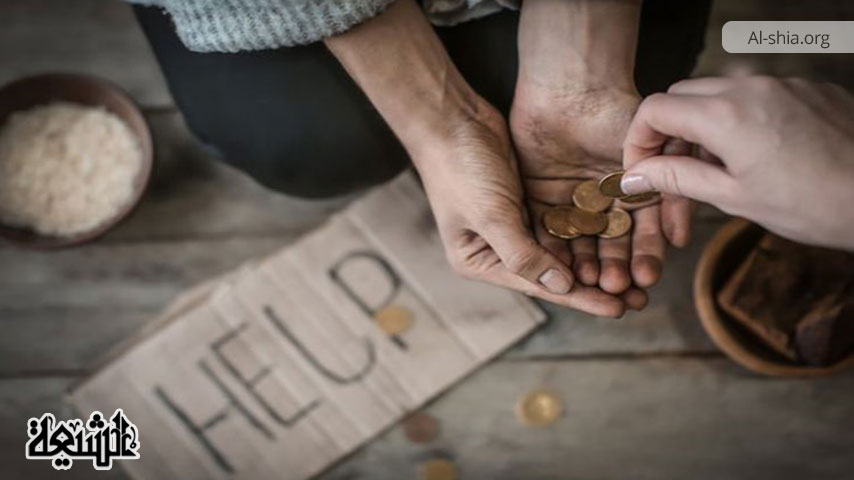
The fifth domain of giving and forgiveness in the teachings of Imam Ali (AS) is helping the poor and the needy. The phrase ita al-faqir clearly emphasizes the importance of caring for those deprived of life’s basic necessities. Imam Ali (AS) states in a wise saying: “As you help others, so shall you be helped”.[6]
This valuable statement not only highlights the virtue of helping those in need but also reminds us that whoever assists others will, in turn, receive assistance in their own time of need.
In Nahj al-Balagha, Wisdom 328 also states: “Indeed, Allah the Glorified has made the sustenance of the poor obligatory in the wealth of the rich. Therefore, no poor person remains hungry except because a rich person has withheld his due and Allah the Exalted will question them about this”.[7]
This noble saying reminds the wealthy of their heavy responsibility toward the poor. It shows that giving and generosity to the needy are not merely recommended acts of kindness but divine duty.
6. Supporting the Debtors
The sixth area of giving and forgiveness in the words of Imam Ali (AS) is helping those in debt. Debt can impose severe psychological and social pressure on a person and their family, preventing them from leading a dignified life.
Paying off the debts of others frees them from the distress of financial burden, preserves their honor, and allows them to return to a peaceful and respectable life. This form of charity and generosity plays a vital role in reducing social harm caused by debt and strengthening the spirit of empathy and cooperation within society.
Imam Ali (AS) speaks about the virtue of helping debtors, saying: “Whoever attains wealth and uses it to support debtors, exercising patience in seeking reward and in fulfilling obligations, will attain the honor of this world and the virtues of the Hereafter”.[8]
Through this statement, Imam Ali (AS) reminds us of the importance of social responsibility. Those who possess wealth should not remain indifferent to the financial struggles of others.
The Fundamental Principle in Giving and Forgiveness
In continuation of this radiant passage, the Amir al-muminin, Imam Ali (AS), emphasizes an important principle in giving and forgiveness: “Let him restrain his soul with patience when fulfilling duties and facing hardships, seeking the reward [of Allah]”.[9]
He advises that a person should remain patient and steadfast when paying both obligatory and recommended dues, as well as when facing difficulties and trials in life. The goal of such giving and endurance, he reminds us, should be the pursuit of divine pleasure and reward.
The term Huquq (duties) here includes all financial obligations, both obligatory (such as zakat and khums) and recommended (such as charity and almsgiving). The word Nawaib, plural of Naibah, refers to life’s hardships and misfortunes. Through this statement, Imam Ali (AS) conveys a profound truth: true giving and generosity are those performed sincerely for the sake of Allah, and on this path, one must remain patient in the face of challenges and obstacles.
The Valuable Effects and Blessings of Giving and Forgiveness
At the end of this part of the sermon, Imam Ali (AS) points to the noble effects and blessings of giving and forgiveness, saying: “Attaining these qualities brings the honor of worldly virtues and the attainment of the merits of the Hereafter, if Allah wills”.[10]
He considers the acquisition of these praiseworthy traits to be a cause of dignity and greatness in this world and the attainment of spiritual virtues and eternal rewards in the Hereafter.
This eloquent statement reveals that giving and forgiveness not only lead to salvation in the Hereafter but also bring respect, honor, and popularity in this world.
The well-known saying narrated from Imam Husayn (AS) confirms this truth: “Whoever is generous, becomes noble”.[11] Likewise, Imam Ali (AS) states: “Show kindness to whomever you wish, and you will be their master”.[12] These sayings clearly illustrate that generosity elevates a person’s status, both socially and spiritually.
Moreover, many traditions emphasize the virtues of those who do good and their exalted position in Paradise.[13] The use of the word Fawzan (success) in its indefinite form also suggests that even small donations and small contributions can lead to such worldly and heavenly honor.
Conclusion
Sermon 142 of Nahj al-Balagha, especially the passage discussed above, is a treasure of wisdom and insight regarding giving and forgiveness. In this section, Imam Ali (AS) explains six key domains of giving and generosity, maintaining family ties, showing generosity in hospitality, freeing captives and those in distress, and helping the poor and the indebted. Through this, he not only reveals the moral significance of this divine virtue but also provides practical guidance for believers to embody it in their personal and social lives.
His emphasis on sincerity of intention, patience in the path of giving, and awareness of the worldly and spiritual effects of generosity demonstrates the comprehensive and profound nature of his outlook on this important matter. Following these noble teachings undoubtedly serves as an effective step toward spiritual and moral elevation of individuals and the growth and prosperity of the Islamic community.
Notes:
[1]. Sharif al-Radi. Nahj al-Balagha, Sermon 142.
[2]. Sharif al-Radi. Nahj al-Balagha, Sermon 142.
[3]. Khui, Minhaj al-Baraah, vol.8, p.402.
[4] . Tuyserkani, Laali al-Akhbar, vol.3, p.66.
[5] . Kulayni, Al-Kafi, vol.2, p.201, Hadith 8.
[6] . Sharif al-Radi. Nahj al-Balagha, Wisdom 328.
[7] . Amadi, Ghurar al-Hikam & Durar al-Kalim, Hadith 7209.
[8] . Ibn Shubah al-Harrani, Tuhaf al-Uqul, p.186.
[9]. Sharif al-Radi. Nahj al-Balagha, Sermon 142.
[10]. Sharif al-Radi. Nahj al-Balagha, Sermon 142.
[11] . Arbili, Kashf al-Ghummah, vol.2, p.242.
[12]. Mufid, Al-Irshad fi Marifat Hujaj Allah ala al-Ibad, vol.1, p.303; Majlisi, Bihar al-Anwar, vol.74, p.433.
[13] . Ray-Shahri, Mizan al-Hikmah, Hadith 12611.
References
- Amidi, Abd al-Wahid ibn Muhammad. Ghurar al-Hikam wa Durar al-Kalim. Qom: Dar al-Kitab al-Islami, 1410 AH.
- Arbili, Ali ibn Isa. Kashf al-Ghummah fi Marifat al-Aimmah. Tabriz: Bani Hashimi, 1381 AH.
- Ibn Shubah al-Harrani, Hasan ibn Ali. Tuhaf al-Uqul an Al al-Rasul (Peace be upon them). Qom: Islamic Publications Institute, 1404 AH.
- Khui, Mirza Habibullah. Minhaj al-Baraah fi Sharh Nahj al-Balagha. Tehran: Maktabat al-Islamiyyah, 1395 AH.
- Kulayni, Muhammad ibn Yaqub. Al-Kafi. Tehran: Dar al-Kutub al-Islamiyyah, 1407 AH.
- Majlisi, Muhammad Baqir. Bihar al-Anwar. Beirut: Muassasat al-Wafa, 1403 AH.
- Mufid, Muhammad ibn Muhammad. Al-Irshad fi Marifat Hujaj Allah ala al-Ibad. Qom: Congress of Shaykh al-Mufid, 1413 AH.
- Ray-Shahri, Muhammad. Mizan al-Hikmah. Qom: Dar al-Hadith, 1422 AH.
- Sharif al-Radi, Muhammad ibn al-Husayn. Nahj al-Balagha, ed. Subhi al-Salih. Qom: Hijrat Publications, 1414 AH.
- Tuyserkani, Muhammad Nabi ibn Ahmad. Laali al-Akhbar. Qom: Allamah Publications, 1413 AH.
Source of the article | Adapted from:
Makarem Shirazi, Naser, The Message of Imam Amir al-Muminin (AS), vol.5, pp. 571–581.



![The Event of Ghadir and Imam al-Mahdi [afs]](https://en.al-shia.org/wp-content/uploads/2026/06/17221.jpg)