


In today’s fast-paced and ever-evolving world, many Muslims are seeking ways to maintain a meaningful Islamic lifestyle while navigating the demands of modern life. An Islamic lifestyle is not limited to rituals and religious obligations; it is a comprehensive way of living rooted in faith, ethics, and spiritual balance.
This guide aims to provide practical insights into living an Islamic way of life in the modern era, helping Muslims stay connected to their faith without feeling overwhelmed or isolated. By integrating Islamic values into everyday decisions, individuals can find peace, purpose, and fulfillment. Embracing an Islamic way of life is ultimately about aligning our hearts and actions with the teachings of Islam in all areas of life.
Definition of an Islamic Lifestyle
Lifestyle is defined as the way in which a person or group of people lives and works[1]. More precisely, lifestyle encompasses a wide range of issues such as beliefs, thoughts, and human activities in relation to God, oneself, and society[2].
Thus the Islamic lifestyle, in operational terms, is a way or style of living based on the system of meaning and teachings of the true religion of Islam, as presented in the Qur’an, the sayings of the Prophet Muhammad (PBUHH), and the traditions of the Ahl al-Bayt, as well as Islamic rulings. It comprises three components: beliefs (faith and values), ethics, and Islamic laws. This lifestyle includes both the outlook and actions in daily life, which manifest in the behavior of believers and can be observed and measured[3].
Core Principles of an Islamic Lifestyle
The foundation of an Islamic lifestyle lies in the core principles derived from the Qur’an and the practice [Sunnah] of the Prophet Muhammad and his pure Household (peace be upon them). These principles provide a spiritual and ethical compass for Muslims seeking to live a life pleasing to Allah in every era, including our complex modern times.
At the heart of the Islamic way of life lies the conviction that true well-being—both in this world and the Hereafter—can only be achieved through sincere faith and righteous actions. A life of purity, fulfillment, and prosperity is rooted in a firm belief in God, His Prophets, and the Day of Resurrection. To embody the core principles of Islam, one must not only uphold sound beliefs but also translate them into virtuous conduct and responsible living.
The glorious Qur’an, while describing the significance of faith and righteous deeds in attaining a goodly pure life, says: “Whoever acts righteously, [whether] male or female, should he be faithful, We shall revive him with a good life …” (Qur’an 16: 97).
In the interpretation of the verse, Sayyid Faqih Imanī writes: “…The criterion here is ‘faith’ and the righteous acts emerged from it. …In the end, one infers from this verse that a man without faith and without good deeds is just regarded as dead[4].”
From the collection of verses and narrations, it can be understood that lifestyle, from the perspective of the Holy Qur’an, is also a coherent set of beliefs, intentions, and actions. Therefore, the ideal and healthy lifestyle under the title of “a goodly pure life” could only be attained in the shadow of faith and righteous deeds.
This foundational concept shapes a Muslim’s worldview, recognizing Allah’s authority in all aspects of life. Living an Islamic way of life means aligning personal choices with divine guidance, whether in private behavior or public dealings.
Daily Practices and Worship
Daily worship and routines are central to living an authentic Islamic lifestyle. They serve as spiritual anchors that help Muslims remain connected to Allah amidst the distractions of modern life. The most important daily act is salah (prayer), performed five times a day. Allah commands in the Qur’an: “…Perform the [complete] prayers, for the prayer is indeed a timed prescription for the faithful” (Qur’an 4:103). Regular prayer instills discipline and mindfulness, making it a core habit of the Islamic way of life.
Beyond prayer, the Islamic lifestyle encourages incorporating dhikr (remembrance of Allah) and du’a (supplication) into everyday routines. The noble Prophet’s recommendation to a Bedouin who requested to tell him something he would be able to adhere to. He (PBUHH) said: “Always keep your tongue moist with the remembrance of Allah, the Mighty and Sublime[5]“. These acts help maintain spiritual awareness, reduce stress, and offer emotional stability in a fast-paced world. Incorporating these worship practices transforms everyday life into an act of devotion.
Ethical and Moral Conduct in Daily Life
A key component of the Islamic lifestyle is upholding strong ethical and moral conduct in all areas of daily life. Islam places great emphasis on character (akhlaq) and behavior, reflecting the teachings of the Prophet Muhammad (PBUHH), who said, “Indeed, I was sent to perfect good character[6]“. Living an Islamic lifestyle means embodying values such as compassion, honesty, humility, patience, and trustworthiness in both private and public dealings.
The Messenger of Allah (PBUHH) said: “Nothing is placed on the Scale that is heavier than good character. Indeed, the person with good character will have attained the rank of the person of fasting and prayer[7].”
The Qur’an guides Muslims to speak kindly and truthfully: “Speak kindly to people” (Qur’an 2:83). In an Islamic way of life, benevolence must be accompanied by courtesy and free from reproach. Good conduct and pleasant speech are required not only toward Muslims but toward all people[8].
Modesty in dress and behavior, for both men and women, is also a defining feature of the Islamic lifestyle, rooted in the Qur’anic instruction: “Tell the faithful men to cast down their looks and to guard their private parts. That is more decent for them …” (Qur’an 24:30–31).
Additionally, fulfilling promises and being just—even with those we disagree with—is vital. Islam teaches, “Indeed Allah enjoins justice and kindness, and generosity towards relatives…” (Qur’an 16:90). By adhering to these principles, Muslims living an Islamic lifestyle not only please Allah but also contribute positively to society.
Family and Social Life
Family and social relationships are central to a balanced Islamic lifestyle. Islam emphasizes the importance of maintaining strong family ties, showing kindness to parents, and raising children with love, discipline, and faith. The Prophet Muhammad (PBUHH) said, “The best of you is the best to his family, and I am the best among you to my family[9]”. This highlights that a healthy family life is a core part of the Islamic way of life.
Caring for one’s parents is also a major virtue in Islam. Allah commands: “Lower the wing of humility to them, mercifully, and say, ‘My Lord! Have mercy on them …’” (Qur’an 17:24). In the Islamic lifestyle, respect, gratitude, and service to parents are non-negotiable duties.
Beyond the home, a strong lifestyle preached by Islam includes being active and ethical within the community. The Prophet (PBUHH) taught, “None of you truly believes until he loves for his brother what he loves for himself”[10]. Maintaining good relations, helping neighbors, and participating in charitable acts are all reflections of an authentic Islamic lifestyle, promoting compassion, unity, and social justice in modern society.
Financial Ethics and Lifestyle
A key element of a balanced Islamic lifestyle is financial responsibility guided by ethical and spiritual principles. Islam encourages earning through halal (permissible) means, avoiding exploitation, and managing wealth with accountability. The Prophet Muhammad (PBUHH) said, “Seeking halal income is a duty upon every Muslim[11]”, which highlights the importance of lawful earnings in the Islamic way of life.
One of the most significant financial prohibitions in Islam is dealing with usury, as clearly stated in the Qur’an: “While Allah has allowed trade and forbidden usury” (Qur’an 2:275). In an Islamic way of life, Muslims are urged to avoid usury as far as they can.
The Islamic way of life also promotes moderation in spending and the avoidance of extravagance. The Qur’an warns against wastefulness: “Indeed the wasteful are brothers of satans” (Qur’an 17:27). This encourages Muslims to live within their means and adopt a simple, contented approach to material life.
Navigating Modern Challenges
Living an Islamic lifestyle in the modern era presents unique challenges, especially with the rapid rise of technology, secular values, and social pressures. Muslims today are constantly navigating between upholding their faith and adapting to contemporary life. However, the Qur’an provides timeless guidance: “Certainly We have made the Quran simple for the sake of admonishment.” (Qur’an 54:17). This verse reminds believers that Islam is not burdensome, but accessible—even in complex times.
One major challenge is the use of technology and social media. While these tools can be beneficial, an unfiltered digital life can lead to time-wasting, immodesty, and spiritual distraction. An Islamic lifestyle encourages digital mindfulness—using technology for learning, dawah (inviting others to Islam), and productivity, while avoiding harmful or excessive use. The Prophet (PBUHH) said, “Part of someone being a good Muslim is leaving alone that which does not concern him[12]”.
Another issue is identity—maintaining one’s Muslim identity in secular or non-Muslim environments. This includes confidently practicing visible aspects of the Islamic teachings, such as prayer, modest clothing, and dietary restrictions. Allah says: “Indeed, the most honored of you in the sight of Allah is the most righteous of you” (Qur’an 49:13), emphasizing inner virtue over societal approval.
Conclusion
In an age of rapid change, distractions, and moral ambiguity, staying grounded in faith is more essential than ever. Embracing the teachings of Islam in daily life offers not only spiritual fulfillment but also clarity, balance, and purpose. Whether through consistent worship, ethical behavior, strong family bonds, or financial responsibility, Islam provides a timeless framework that guides every aspect of human life. The journey may come with challenges, but with sincerity, knowledge, and community support, it is entirely possible to thrive spiritually while navigating the demands of the modern world. By taking gradual, intentional steps, anyone can cultivate a meaningful and sustainable Islamic lifestyle that honors both the Creator and the realities of contemporary life.
Notes
[1] . Hornby, A. S. (2001). Oxford Advanced Learner’s Dictionary, p. 684.
[2] . Kowsari Nia, Nafiseh (2013). The Relationship between Islamic Lifestyle and Good Life in the Holy Quran, p.5.
[3] . Forouzandeh JafarzadehPour et al. (2024). Characteristics and Criterion of Islamic Lifestyle: A Mata Analysis, p. 60.
[4] . Faqih Imani, Sayyid Kamal et al (1997). An Enlightening Commentary into the Holy Qur’an, vol. 8, p. 569.
[5] . Ibn Majah, Muhammad ibn Yazid (1997). Sunan Ibn Majah, vol. 5, p. 332.
[6] . Majlisī, Muḥammad Bāqir ibn Muḥammad Taqi (1982). Biḥār al-Anwār, vol. 16, p. 210.
[7] . Tirmidhi, Muhammad b. ‘Isa (1998). Al-Jami` al-Sahih wa-huwa Sunan al-Tirmidhi, vol. 4, p. 131.
[8] . Qara’ati, Mohsen (2009). Tafsir-e Nūr, vol. 1, pp. 149-150.
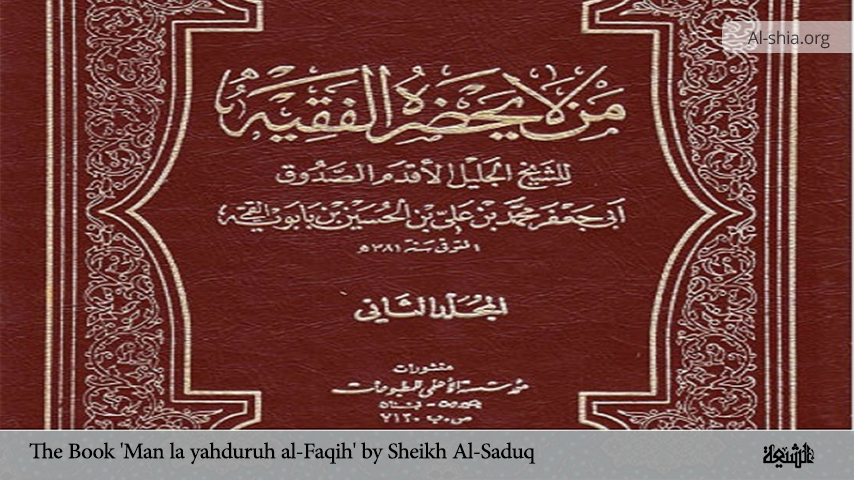
[9] . Ibn Babawayh, Muhammad ibn Ali (1983). Man la-Yahduruh al-Faqih, vol. 3, p. 555.
[10] . Muslim ibn Hajjaj (1991). Sahih Muslim, vol. 1, p. 67.
[11]. Mishkat al-Masabih 2781, Chapter 1c: Earning, and Seeking what is Lawful Section 3, Book 11: Business Transactions https://sunnah.com/mishkat:2781
[12] . Ibn Hanbal, Ahmad ibn Muhammad (1995). Musnad al-Imam Ahmad ibn Hanbal, vol. 3, p. 259.
References
Holy Qur’an (Translator: Qara’i, Ali Quli. The Qur’an (With a Phrase-by-Phrase English Translation). 2nd ed. London: Islamic College for Advanced Studies (ICAS) Press, 2005.
Faqih Imani, Sayyid Kamal et al (1997). An Enlightening Commentary into the Holy Qur’an (1st edition). Translator: Sayyid Abbas Sadr-‘Ameli. Isfahan: Iman Ali Library and Research Centre.
Forouzandeh JafarzadehPour et al. (2024). Characteristics and Criterion of Islamic Lifestyle: A Mata Analysis, National Studies Journal, Vol. 25, No. 4, pp. 58-80.
Hornby, A. S (2001). Oxford Advanced Learner’s Dictionary (6th edition). New York: Oxford University Press.
Ibn Babawayh, Muhammad ibn Ali (1983). Man la-Yahduruh al-Faqih (2nd edition). Qom: Islami Publishers, affiliated to Group of Lecturers in Islamic Seminary of Qom.
Ibn Hanbal, Ahmad ibn Muhammad (1995). Musnad al-Imam Ahmad ibn Hanbal (1st edition). Beirut: Mu’assasat al-Risalah
Ibn Majah, Muhammad ibn Yazid (1997). Sunan Ibn Majah (1st edition). Editor: Ma`rouf, Bashshar `Awwad. Beirut: Dar al-Jeel
Kowsari Nia, Nafiseh (2013). The Relationship between Islamic Lifestyle and Good Life in the Holy Quran, Kowsari Quranic Quarterly Journal, Autumn and Winter, No. 48.
Majlisī, Muḥammad Bāqir ibn Muḥammad Taqi (1982). Biḥār al-Anwār (2nd edition). Beirut: Dar Ihya’ al-Turath al-Arabi.
Mishkat al-Masabih. https://sunnah.com/mishkat
Muslim ibn Hajjaj (1991). Sahih Muslim (1st edition). Editor: `Abdul-Baqi, Muhammad Fu’ad. Cairo: Dar al-Hadith
Qara’ati, Mohsen (2009). Tafsir-e Nūr (1st edition). Tehran: Cultural Center for Teachings of the Qur’an.
Tirmidhi, Muhammad b. ‘Isa (1998). Al-Jami` al-Sahih wa-huwa Sunan al-Tirmidhi (1st edition). Editor: Shakir, Ahmad Muhammad. Cairo: Dar al-Hadith

![The Event of Ghadir and Imam al-Mahdi [afs]](https://en.al-shia.org/wp-content/uploads/2026/06/17221.jpg)