
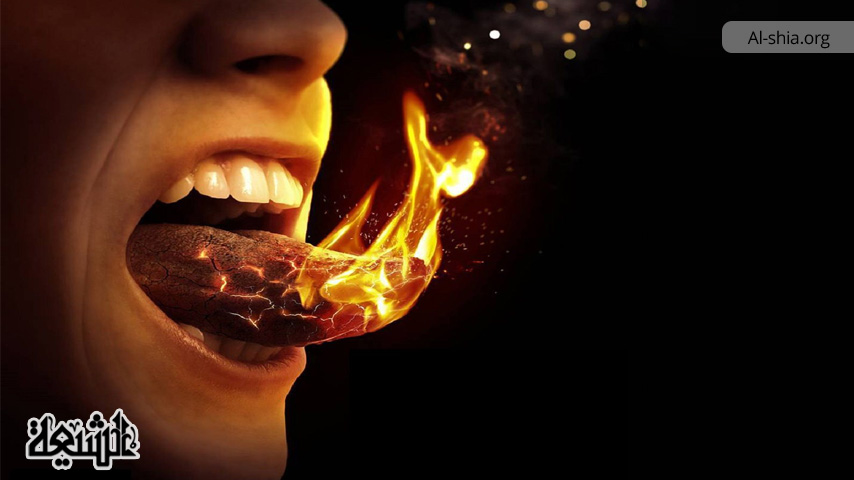

The tongue is one of the greatest blessings Allah has given us, but it can also become a source of serious harm when it is not properly controlled. Words may strengthen relationships, preserve people’s dignity, and earn Allah’s pleasure, but they may also cause injustice, conflict, and broken trust. Islam therefore places great emphasis on guarding one’s speech and avoiding the sins of the tongue, including lying, backbiting, slander, mockery, and harmful speech. Being aware of these sins helps Muslims become more mindful of their words and develop better character.
This article therefore, aims to identify ten major sins of the tongue and explain their harmful effects while offering practical guidance for avoiding them in daily life.
The Tongue as a Blessing and a Test
The human tongue is one of Allah’s greatest blessings. Through it, a person can remember Allah, recite the Qur’an, teach beneficial knowledge, reconcile people, defend the oppressed, express gratitude, and offer words of comfort to someone in difficulty. Yet the same tongue can become a means of destroying a person’s faith, humiliating others, spreading hatred, and damaging relationships. This is why Islam does not treat speech as something morally insignificant. The sins of the tongue are among the most easily committed sins because they often require neither money nor physical effort; a single careless sentence can be uttered in a moment and leave consequences that last for years.
The Qur’an presents human speech within the larger framework of divine accountability. Allah says: “He says no word but that there is a ready observer beside him.”[1] The verse reminds the believer that words do not simply disappear after they leave the mouth. They are subject to divine knowledge and accountability. In his Tafsīr al-Mīzān, ʿAllāmah al-Ṭabāṭabāʾī explains the verse in the context of Allah’s complete knowledge of the human being and the recording of his deeds, emphasizing that even what a person utters is not overlooked by the divine system of accountability[2].
This should make every Muslim pause before speaking. We often think of major sins as actions that are dramatic or obviously serious. But many sins of the tongue occur in ordinary conversations: a joke at another person’s expense, a false statement told to escape embarrassment, a rumour forwarded without verification, a private fault mentioned to friends, an angry insult, or a harsh comment made in the heat of an argument. Because these actions can appear ordinary, they may gradually become habits without a person realizing how seriously they are affecting his or her spiritual life.
The Qur’an places particular emphasis on avoiding speech that undermines the dignity and honor of others. Likewise, the teachings of the Ahl al-Bayt (ʿa.s) deepen this Qur’anic understanding. The tongue, like a double-edged sword, can be both constructive and dangerous. Imam ʿAli (a.s) warns, “The tongue is a beast; if it is left unrestrained, it bites.”[3] Uncontrolled speech can harm social relationships, psychological well-being, and spiritual life.
Therefore, restraining the tongue and using it for good and righteousness is essential, and this requires conscious control of one’s speech. Imam Zayn al-ʿĀbidīn (ʿa.s), in his Treatise on Rights, describes the right of the tongue as preserving it from obscenity, training it upon goodness, directing it toward proper speech, and restraining it from unnecessary words whose harm may exceed their benefit[4].
At present, the subject of sins of the tongue is particularly important for Muslims, as communication is no longer confined to face-to-face interaction. With a single tap, a person can spread a statement, accusation, insult, rumor, or private matter to hundreds or even thousands of people. Therefore, Islamic principles governing speech apply not only to spoken words but also to what we deliberately communicate through modern forms of communication.
At the same time, Islam does not teach silence for its own sake. The tongue is a gift that should be disciplined, not abandoned. It can be used for truth instead of falsehood, reconciliation instead of conflict, advice instead of humiliation, remembrance instead of idle talk, and encouragement instead of discouragement.
The purpose of discussing the sins of the tongue, therefore, is not to make Muslims fearful of speaking. It is to make them conscious of the enormous moral responsibility attached to their words.
The following ten sins of the tongue represent some of the most serious and common forms of harmful speech that every Muslim should learn to recognize and avoid. Understanding these sins of the tongue is the first step toward protecting ourselves from their harmful consequences. The next step is to discipline and control the tongue, safeguard the dignity and honor of others, and train ourselves to speak only what is good, truthful, and beneficial. By consciously avoiding these sins of the tongue, we can transform this small yet powerful organ into a means of faith, righteousness, moral refinement, and spiritual growth.
The Major Sins of the Tongue in Islam
Islam identifies several major sins of the tongue that can harm individuals, damage social relationships, and undermine both personal morality and spiritual well-being.
1. Backbiting (Ghibah)
Backbiting (ghībah) is among the most serious sins of the tongue because it violates the dignity and honor of another person. In Islamic ethical terminology, ghībah (backbiting) refers to mentioning, in the absence of a fellow believer, something about them that they would find displeasing if it were mentioned[5]. This may relate to a physical defect, lineage, personal attributes, actions, or statements, or to anything associated with them, such as their home or clothing[6].
The prohibition of backbiting is expressed through one of the Qur’an’s strongest moral images: “And [do not] backbite. Will any of you love to eat the flesh of his dead brother?”[7] The honor of a Muslim brother is likened to the flesh of his dead body and putting him into disgrace leads to backbiting and exposing secrets is similar to consumption of his flesh. Making mention of ‘dead body’ is owing to the fact that backbiting is done behind people’s back in the same manner that the dead are unable to defend themselves. Such evil act is the most dishonorable wrong which may be done by one human against his own brother. The similitude expresses the extraordinary unpleasantness of the act of backbiting and its entailing sin[8].
Therefore, a Muslim should pause before speaking about someone who is absent and ask: Would this person be hurt or offended if they heard what I am saying? If so, remaining silent is often the safest and most righteous choice.
2. Slander and False Accusations
Slander and false accusations are among the most dangerous sins of the tongue because they can destroy a person’s reputation, dignity, and relationships through words that have no truth behind them. Islam places great emphasis on verifying claims and protecting people from unjust accusations.
The Qur’an[9] also gives a particularly severe warning against accusing chaste believers without evidence. If backbiting is among the serious sins of the tongue, slander is even more dangerous because it combines the harm of speaking about another person with the injustice of attributing something to that person that is not true.
Therefore, Muslims should verify information and avoid spreading accusations or speculation without reliable evidence, thereby protecting themselves and others from this grave sin.
3. Lying and Deliberate Falsehood
Lying is one of the most harmful sins of the tongue because it undermines trust, corrupts relationships, and can lead to further wrongdoing. Islam commands believers to make truthfulness a constant part of their character.
Allah commands believers to avoid false speech[10], emphasizing that lying is not merely a personality flaw but, when deliberately practiced, constitutes one of the sins of the tongue through which a person distances himself from the moral qualities expected of a believer.
Therefore, Muslims should uphold honesty in both major matters and everyday speech, as even minor lies can weaken one’s commitment to truth and make falsehood increasingly easy to justify.
4. Spreading Rumors and Unverified Information
Spreading rumors or transmitting information without verifying its truthfulness is among the serious sins of the tongue.
The Qur’an repeatedly emphasizes the dangers of acting upon or disseminating unverified information. In verse 6 of Sūrah al-Ḥujurāt (Qur’an 49), it establishes a fundamental principle of responsible communication: a report should be presented to qualified authorities for assessment and verification and disseminated only after its truthfulness has been established[11].
In today’s world, where information can reach hundreds or even thousands of people within seconds, Muslims must be especially cautious about what they hear, believe, and share.
Therefore, a responsible Muslim should verify information before sharing it. When its truthfulness cannot be established, remaining silent is safer than becoming a means of spreading falsehood, suspicion, or harm.
5. Insulting, Mocking, and Belittling Others
Insulting, mocking, or belittling others is among the serious sins of the tongue because it attacks a person’s dignity and can create resentment, hostility, and division. Islam teaches Muslims to respect others and avoid words that humiliate or cause unnecessary hurt[12].
The Qur’an[13] addresses the believers, instructing them to refrain from ridiculing or mocking their fellow believers[14]. This demonstrates that a Muslim’s speech should preserve the honor of others, even when there are differences in opinion, status, or character.
A Muslim should therefore choose words that preserve dignity rather than destroy it. Before making a joke or criticism at someone’s expense, it is wise to consider whether the words will bring benefit or simply cause hurt.
6. False Testimony
Among the most dangerous sins of the tongue is giving false testimony or bearing false witness. Ordinary lying is already condemned in Islam, but false testimony can be even more destructive because it uses a person’s words to establish something that is untrue and may consequently cause another person to lose a right, suffer punishment, experience financial loss, or have his honour damaged.
The Qur’an[15] commands believers not to conceal testimony, particularly when it concerns the rights of others and concealing it is described as a sin of the heart because it involves deliberately withholding the truth[16].
In addition, the Prophet Muhammad (PBUHH) strongly warned against false testimony, repeatedly identifying false speech and false testimony among the major sins of the tongue[17].
Thus, a Muslim must neither manipulate facts nor conceal or falsify testimony for personal benefit, as truthful testimony is a responsibility before Allah and essential to preserving justice.
7. Cursing and Using Offensive Language
Cursing, vulgarity, and offensive language are harmful sins of the tongue that can damage relationships and reflect poor character. Islam encourages believers to speak with dignity, kindness, and self-control, particularly when they are angry or provoked.
The Qur’an instructs believers: “Tell My servants to speak in a manner which is the best…”[18]. This command emphasizes that Muslims should choose speech that is appropriate, respectful, and ethically virtuous. Words characterized by cursing, insults, rudeness, or offensive language contradict this Qur’anic principle, as harsh and quarrelsome speech can provoke hostility, damage relationships, and create opportunities for Satan to sow discord among people[19]. Thus, avoiding offensive language is an important aspect of controlling the tongue and maintaining Islamic manners of communication.
Muslims should control their speech in anger, replacing insults and curses with patience, restraint, and respectful speech, as disciplined speech reflects a disciplined heart.
8. Exposing People’s Secrets and Private Matters
Revealing another person’s secrets or private matters without a legitimate reason is among the serious sins of the tongue. Islam emphasizes respecting people’s privacy, safeguarding what has been entrusted to us, and refraining from exposing matters that may cause embarrassment, harm, or humiliation.
The Qur’an warns: “And do not spy on one another or backbite”[20]. Thus, harboring negative suspicions can lead to prying into the private affairs of others, exposing their faults and secrets, and ultimately engaging in backbiting. Such behavior and its underlying causes are prohibited in Islam[21].
Therefore, Muslims should safeguard entrusted information, as respecting others’ privacy reflects trustworthiness and good character.
9. Quarreling, Arguing, and Harmful Speech
Another serious category among the sins of the tongue is destructive arguing and quarrelling. Islam does not condemn every form of discussion, disagreement, or debate. On the contrary, the Qur’an encourages believers to communicate with wisdom, patience, and respect, while discouraging unnecessary quarrels, hostile arguments, and harmful speech[22]. He also praises the servants of the Most Merciful who respond to provocative or harsh speech with peace[23].
The problem arises when discussion ceases to be a sincere search for truth and becomes an attempt to defeat, humiliate, provoke, or silence another person.
A Muslim should know when to speak and when to remain silent, recognizing that not every disagreement warrants an argument and that avoiding heated disputes reflects wisdom, patience, and strength of character.
10. Tale-Bearing (Namīmah)
Tale-bearing is one of the serious sins of the tongue. It involves carrying words, statements, or information from one person to another in a way that causes conflict, hostility, or division between them. Among the sins of the tongue, tale-bearing is particularly destructive because it can destroy trust, damage relationships, and turn minor disagreements into serious disputes.
Allah strongly condemns tale-bearing and the spreading of discord through harmful speech[24]. The Prophet Muhammad (PBUHH) strongly condemned this behavior, describing those who spread tales and create discord among people as among the worst of people[25].
As one of the serious sins of the tongue, tale-bearing should be avoided, especially when repeating private conversations or harmful comments may create resentment or conflict. A Muslim should consider whether their words will promote reconciliation or division; when they are likely to cause hostility, remaining silent is safer and more pleasing to Allah.
Conclusion
The tongue may be small, but its impact can be profound. A single word can heal a heart, strengthen a relationship, or cause lasting harm. The Qur’an and Sunnah therefore emphasize the importance of guarding one’s speech and avoiding the sins of the tongue.
Guarding the tongue does not mean remaining silent at all times; rather, it means speaking truthfully, respectfully, and only when speech serves a beneficial purpose. Remembering that every word is recorded and that we are accountable before Allah helps Muslims become more mindful of what they say and what they choose to withhold.
Ultimately, avoiding the sins of the tongue is an essential part of purifying the heart and developing good character. By replacing harmful speech with truth, kindness, remembrance of Allah, and beneficial words, a Muslim can seek Allah’s pleasure while contributing to a more respectful and harmonious society.
Footnotes
[1] . Qur’an 50:18.
[2] . Ṭabāṭabāʾī, al-Mīzān fī Tafsīr al-Qurʾān, vol. 18, p. 349.
[3] . Nahj al-Balāghah, Wisdom 60.
[4] . ʿAlī b. al-Ḥusayn Zayn al-ʿĀbidīn (ʿa), Risālat al-Ḥuqūq (Treatise on Rights), “The Right of the Tongue.”
[5] . Fayḍ Kāshānī, al-Maḥajjat al-Bayḍāʾ, vol. 5, p. 255.
[6] . Narāqī, Miʿrāj al-Saʿādah, p. 444.
[7] . Qur’an 49:12.
[8] . Faqīh Imānī, An Enlightening Commentary into the Light of the Holy Qur’an, vol. 17, p. 182.
[9] . Qur’an 24:23.
[10] . Qur’an, 22:30.
[11] . See: Qaraʾatī, Tafsīr-e Nūr, vol. 9, p. 170.
[12] . See: Subḥānī, The Islamic Moral System, p. 116.
[13] . Qur’an 49:11.
[14] . See: Faqīh Imānī, An Enlightening Commentary into the Light of the Holy Qur’an, vol. 17, p. 178.
[15] . Qur’an 2:283.
[16] . See: Makārim Shīrāzī et al., Tafsīr-e Nemūneh, vol. 2, p. 394.
[17] . Majlisī, Biḥār al-Anwār, vol. 101, p. 310.
[18] . Qur’an 17:53
[19] . See: Faqīh Imānī, An Enlightening Commentary into the Light of the Holy Qur’an, vol. 8, p. 733.
[20] . Qur’an 49:12.
[21] . See: Faqīh Imānī, An Enlightening Commentary into the Light of the Holy Qur’an, vol. 17, p. 182.
[22] . Qur’an 16:125.
[23] . Qur’an 25:63.
[24] . Qur’an 68:10–11.
[25] . Kulaynī, al-Kāfī, vol. 2, p. 369.
References
Holy Qur’an (with the English translation: Qarai, Ali Quli (2005). The Qur’an: With a Phrase-by-Phrase English Translation (2nd edition). London: Islamic College for Advanced Studies (ICAS) Press.
Nahj al-Balaghah
ʿAli ibn al-Ḥusayn Zayn al-ʿĀbidīn (ʿa). Risālat al-Ḥuqūq
- Faqīh Imānī, Sayyid Kamal et al. (1997). An Enlightening Commentary into the Holy Qur’an (1st edition). Translated by Sayyid Abbas Sadr-‘Ameli. Isfahan: Imam Ali Library and Research Centre.
- Fayḍ Kāshānī, Mullā Muḥsin. al-Maḥajjat al-Bayḍāʾ. Mashhad: Astan Quds Razavi Publications.
- Kulaynī, Muḥammad ibn Yaʿqūb. (1986). al-Kāfī. (4th edition). Edited by ʿAli Akbar Ghaffārī and Muḥammad Ākhūndī. Tehran: Dār al-Kutub al-Islāmiyyah.
- Majlisī, Muḥammad Bāqir. (1982). Biḥār al-Anwār. (2nd edition). Beirut: Dār Iḥyāʾ al-Turāth al-ʿArabī.
- Makārim Shīrāzī, Nāṣir, et al. (1995). Tafsīr-e Nemūneh. (10th edition). Tehran: Dār al-Kutub al-Islāmiyyah.
- Narāqī, Mullā Aḥmad. (1378 SH). Miʿrāj al-Saʿādah (6th edition). Qom: Hijrat Publications.
- Qaraʾatī, Muḥsin. (2009). Tafsīr-e Nūr. (1st edition). Tehran: Cultural Center for Teachings of the Qurʾan.
- Subḥānī, Ja‘far. (2003). The Islamic Moral System: Commentary of Surah al-Hujurāt. Trans: Saleem Bhimji. Canada: Islamic Humanitarian Service.
- Ṭabāṭabāʾī, Muḥammad Ḥusayn. (1982). al-Mīzān fī Tafsīr al-Qurʾān. Beirut: Muʾassasat al-Aʿlamī lil-Maṭbūʿāt.





![The Event of Ghadir and Imam al-Mahdi [afs]](https://en.al-shia.org/wp-content/uploads/2026/06/17221.jpg)