



Awaiting Imam al-Mahdi (may Allah hasten his reappearance) is a central aspect of Shia belief, but true awaiting (intizār) extends beyond merely anticipating his reappearance. It involves faith, spiritual growth, moral refinement, patience, knowledge, and commitment to justice and social responsibility. The teachings of the Qur’an and Ahl al-Bayt (a.s.) present awaiting as an active process through which believers prepare themselves to uphold divine values and support the Imam’s mission. Thus, the genuine awaiters are those whose belief in Imam al-Mahdi is reflected in their character, conduct, and responsibilities toward Allah and society.
This article aims to examine the principal characteristics of the genuine awaiters of Imam al-Mahdi and explain how these qualities can be cultivated in contemporary Muslim life.
Understanding Genuine Awaiting
Intiẓār al-Faraj commonly translated as “awaiting relief,” is a term in Shia Islamic thought that refers to anticipating the reappearance of Imam al-Mahdi[1]. According to Shiʿi teachings, his reappearance will occur by divine will and will usher in a period in which justice prevails throughout the world. The concept of Intiẓār al-Faraj therefore involves more than simply anticipating the Imam’s reappearance; it requires spiritual and moral preparation and an active commitment to the values of faith, righteousness, and justice.
The Arabic word faraj generally means relief, deliverance, or release from distress[2]. In the expression Intiẓār al-Faraj, it refers specifically to the divine relief associated with the reappearance of the Twelfth Imam, Imam al-Mahdi through which humanity will attain deliverance from oppression and injustice[3]. Thus, awaiting relief is understood as a meaningful spiritual responsibility that calls believers to strengthen their faith, purify their character, and prepare themselves for the Imam’s divinely guided mission.
In the hadiths of the Infallible Imams, awaiting the Relief (intizār al-faraj) is described as the best[4] and most beloved[5] deed and act of worship[6], and as a condition for the acceptance of other deeds[7]. It is also narrated that one who awaits the Relief is among the friends of God[8], is superior to the people of every age[9], and will be resurrected among the Ahl al-Bayt[10] (a.s.).
Moreover, one who dies while awaiting the appearance of the Qāʾim is like one who fought alongside the Messenger of God (PBUHH) and attained martyrdom[11].
Some scholars and researchers have attributed this extensive emphasis on the virtue of awaiting the Relief to the fact that it establishes a connection between the Shi’a and the Infallible Imam and, in a sense, signifies the acceptance of his authority (wilāyah) and Imamate[12].
The Spiritual and Practical Profile of Genuine Awaiters of Imam al-Mahdi
Genuine awaiting is more than a verbal expression of hope for the reappearance of Imam al-Mahdi (ajfs). It is a conscious way of life that shapes a believer’s knowledge, loyalties, aspirations, character, worship, and social responsibilities. Genuine awaiters are therefore not simply those who desire the Imam’s reappearance; rather, their words, actions, and conduct demonstrate that they are spiritually and practically preparing for him.
The condition of genuine awaiters may be compared to that of people awaiting an honored guest. A person who truly expects a guest does not merely speak about the guest’s arrival but prepares the home and himself in anticipation. In the same way, genuine awaiters of Imam al-Mahdi (ajfs) remain spiritually alert and morally prepared so that, whenever the news of his reappearance reaches them, they are ready to respond.
The characteristics of genuine awaiters can be understood in a logical progression: they begin with recognition of the Imam and commitment to his wilayah, develop into love, hope, self-purification, and conformity with his values, and ultimately manifest themselves through continuous spiritual connection and active efforts to prepare society for his reappearance.
1. Recognition and Knowledge of Imam al-Mahdi
The first and most fundamental characteristic of genuine awaiters is recognition (maʿrifah) of Imam al-Mahdi. Genuine awaiting cannot be built upon ignorance of the one whose coming is awaited. Accordingly, recognition of the Imam of the Age occupies a particularly important place in Islamic teachings and is repeatedly emphasized in the sayings of the Prophet (PBUHH) and the Imams of the Ahl al-Bayt (a.s).
The well-known Prophetic tradition states: “Whoever dies without knowing the Imam of his time dies the death of the Age of Ignorance.”[13]
This tradition presents recognition of the Imam of one’s age as a fundamental dimension of genuine faith. Imam al-Baqir (a.s) further states that whoever dies while recognizing his Imam will not be harmed by whether the establishment of the rule of the Family of Muhammad occurs sooner or later; rather, such a person is like one who is with al-Qaʾim in his tent[14]. Imam al-Sadiq (a.s) similarly explains that the “ignorance” mentioned in the Prophetic tradition refers to the ignorance of disbelief, hypocrisy, and misguidance[15].
For genuine awaiters, recognizing Imam al-Mahdi means more than knowing his identity; it means consciously acknowledging him as the divinely appointed Imam, the Proof of God, and the spiritual guide of the believers. This recognition forms the foundation of all other qualities of genuine awaiting.
2. Holding Fast to the Wilayah of the Ahl al-Bayt
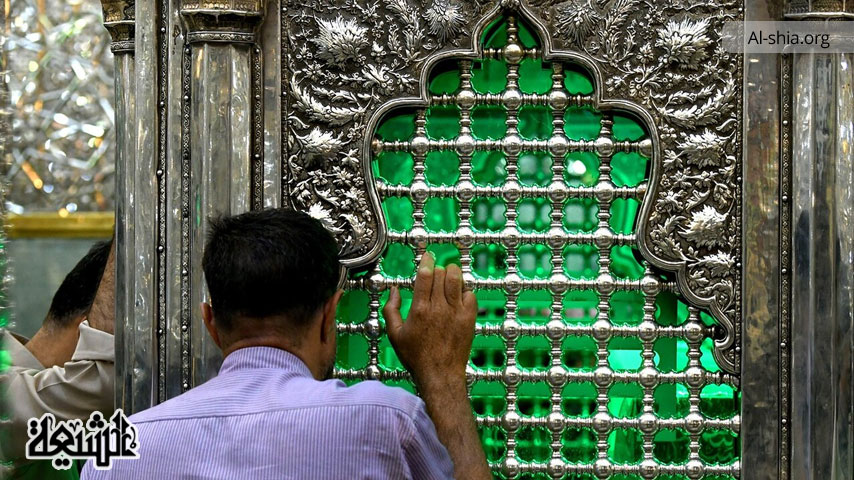
Recognition naturally leads to allegiance. One of the defining characteristics of genuine awaiters is therefore their firm attachment to the wilayah of the Ahl al-Bayt, both during the occultation and after the reappearance of Imam al-Mahdi.
Imam al-Sadiq (a.s) said: “Blessed are our Shiʿa who, during the occultation of our Qaʾim, hold fast to our rope.”[16]⁴
For genuine awaiters, holding fast to the Ahl al-Bayt means loyalty, obedience, and commitment to their guidance. During the occultation, they maintain a living spiritual connection with Imam al-Mahdi through adherence to the wilayah and teachings of the Ahl al-Bayt, making their awaiting an expression of practical allegiance rather than mere expectation.
3. Love and Affection for Imam al-Mahdi
Recognition and allegiance should give rise to love. Accordingly, love and affection for Imam al-Mahdi constitute another essential characteristic of genuine awaiters. Such love is not merely sentimental; it creates a deep spiritual bond that influences the believer’s priorities, choices, worship, and conduct.
This love is rooted in the Qur’anic command to show affection for the Prophet’s near relatives in the Verse of Mawaddah[17]. Such affection strengthens the believer’s spiritual bond with the Ahl al-Bayt and guides the journey toward God.
More specifically, Imam al-Mahdi himself is reported to have said: “Every one of you should act in such a manner as brings him closer to our love and affection.”[18]⁷
This statement shows that the love expected of genuine awaiters must be demonstrated through action. Worship, recommended acts, supplications, ziyarat, and righteous deeds acquire particular significance when they strengthen one’s love for the Imam.
For genuine awaiters, therefore, love of Imam al-Mahdi is both an inner attachment and a motivating force that shapes outward conduct.
4. Awaiting the Relief with Hope and Steadfastness
A further characteristic of genuine awaiters is intiẓār al-faraj—awaiting relief and the reappearance of Imam al-Mahdi. Genuine awaiting, however, must not be confused with passivity, inactivity, or simply “sitting with one’s hands folded.” It is an active and constructive state of preparedness rooted in faith in God, confidence in divine justice, and certainty regarding the promised future.
In a tradition cited in the article, Imam al-Baqir (a) identifies among the elements of the religion accepted by God belief in divine unity, belief in the Messenger, acceptance of what has come from God, the wilayah of the Ahl al-Bayt, dissociation from their enemies, submission to their command, piety, humility, and “awaiting our Qaʾim.”[19]
Imam al-Jawad (a) is likewise reported to have told ʿAbd al-ʿAzim al-Hasani: “Indeed, the Qaʾim is from us, and he is the Mahdi. It is obligatory to await him during his occultation and to obey him when he appears.”[20]
For genuine awaiters, waiting means remaining spiritually connected to Imam al-Mahdi, preparing for the values of his reappearance, and maintaining hope in God’s promise. Even in hardship, they resist despair and continue steadfastly on the path of truth, making genuine awaiting a source of hope, resilience, and purposeful action.
5. Self-Purification and Living with a Sense of the Imam’s Presence
The inner hope of genuine awaiters must become visible in their moral and practical lives. One cannot genuinely await the establishment of justice and divine values while remaining indifferent to those same values in one’s personal conduct. Self-purification, piety, good character, and moral discipline are therefore among the most important characteristics of genuine awaiters.
Imam al-Sadiq (a) states: “Whoever would be pleased to be among the companions of al-Qaʾim should await, and should act with piety and good character while awaiting.”[21]¹²
This tradition makes clear that genuine awaiting must transform character. The person who hopes to become one of the Imam’s companions should begin cultivating today the qualities expected of those companions. For genuine awaiters, therefore, the occultation does not mean spiritual disconnection. Through recognition, faith, and awareness, they cultivate a continual sense of accountability before their Imam.
6. Developing Spiritual, Moral, and Practical Conformity with the Imam
Self-purification should gradually produce greater conformity with Imam al-Mahdi. Genuine awaiters continually strive to become more closely aligned with their Imam spiritually, intellectually, morally, and practically.
Such conformity is achieved by strengthening faith, cultivating piety and moral virtues, advancing spiritually, fulfilling religious obligations, and distancing oneself from sin. It is not an achievement that occurs suddenly. Rather, it requires gradual and continuous effort, reliance upon God, and seeking assistance through the Imam.
For genuine awaiters, growing closer to Imam al-Mahdi means aligning their conduct with what pleases him. They strive to shape their beliefs, character, and daily actions according to divine guidance, seeking not only his reappearance but also to become worthy of his companionship[22].
7. Maintaining a Spiritual Relationship through Supplication and Ziyarat
The spiritual development of genuine awaiters is sustained through regular communication with God and remembrance of Imam al-Mahdi. Supplications and ziyarat transmitted from the Ahl al-Bayt provide important means of preserving this spiritual relationship during the occultation.
When recited with sincerity, presence of heart, and reflection upon their meanings, these supplications strengthen the believer’s attachment to the Imam. Prayer also expresses recognition of human dependence upon God: the believer turns away from reliance upon created beings and places ultimate hope in the Creator.
Two supplications are especially significant for genuine awaiters. Duʿa al-Nudbah, recommended on Fridays and the major Islamic festivals, expresses longing for Imam al-Mahdi and renews commitment to his reappearance[23]. Duʿa al-ʿAhd likewise strengthens this bond; Imam al-Sadiq (a) states that whoever recites it for forty mornings will be counted among the supporters of al-Qaʾim[24].
Supplication and ziyarat are therefore not merely occasional devotional exercises. For genuine awaiters, they help maintain an active spiritual bond with Imam al-Mahdi throughout the period of occultation and continually renew the believer’s readiness to support him.
8. Preparing the Ground for the Reappearance through Social Responsibility
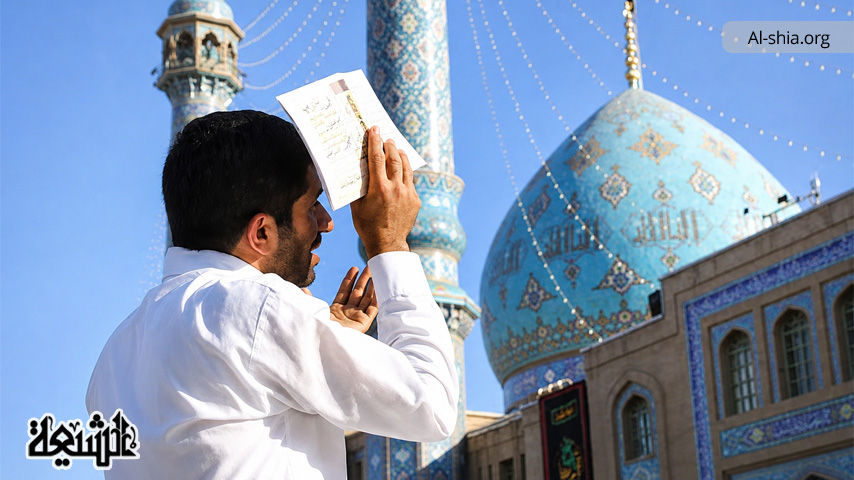
The preceding characteristics ultimately move genuine awaiters from personal spiritual development to responsibility toward society. Genuine awaiting cannot remain confined to the inner life of the individual. Those who await an Imam whose mission includes the establishment of justice, righteousness, and divine values must themselves contribute, within their capacity, to the moral improvement of society.
One expression of this responsibility is al-amr bi-l-maʿruf wa-l-nahy ʿan al-munkar—enjoining what is right and forbidding what is wrong. More broadly, it involves constructive efforts to reform individuals and society in ways consistent with the values associated with the Mahdawi mission.
Imam al-Sadiq (a.s), commenting on Qur’an 22:41, explains that Imam al-Mahdi and his companions will establish religion, eliminate oppression and falsehood, and uphold enjoining good and forbidding evil[25]. Imam ʿAli (a.s) likewise teaches that enjoining good strengthens believers and forbidding evil weakens hypocrisy[26]. These teachings reflect the aspiration for a just Mahdawi government in which Islam and its people are honored[27].
These teachings demonstrate that genuine awaiters should not restrict themselves to praying for the establishment of the Mahdawi government. Their prayers should be accompanied by appropriate practical efforts to promote righteousness, strengthen believers, oppose moral and social corruption, and contribute to an environment more receptive to justice and divine guidance.
In this way, the characteristics of genuine awaiters form an integrated path. Recognition leads to allegiance; allegiance deepens love; love produces hopeful awaiting; genuine awaiting demands self-purification; self-purification creates greater conformity with the Imam; conformity is sustained through prayer and spiritual connection; and all of these qualities ultimately inspire responsible action in society. Genuine awaiters are therefore those who seek to prepare not only for the reappearance of Imam al-Mahdi, but also to prepare themselves to be worthy of standing beside him.
Conclusion
The characteristics of the genuine awaiters of Imam al-Mahdi show that true awaiting is an active and transformative way of life rather than a passive expectation of the future. Genuine awaiters recognize the Imam, remain devoted to the wilayah of the Ahl al-Bayt, cultivate love and spiritual attachment to him, maintain hope in the divine promise, purify their character, and strive to align their conduct with the values he represents. They also strengthen their relationship with the Imam through supplication and remembrance while contributing to the moral improvement of society and preparing the ground for his reappearance.
Thus, the genuine awaiters is one who combines knowledge, faith, love, devotion, moral discipline, and responsible action, continually seeking to become worthy of supporting Imam al-Mahdi and participating in the establishment of justice and divine guidance.
Notes:
[1] . Farajpur, Darsi Qoftāri-hāye Tavajjuh beh Imam Zamān, p. 129.
[2] . Ibn Manẓūr, Lisān al-ʿArab, vol. 2, p. 241.
[3] . Masāʿilī, Sāza-yi mafhūmī intizār dar andīsha-yi Mahdawīyyat, p. 24.
[4] . Shaykh al-Ṣadūq, Kamāl al-Dīn, vol. 2, pp. 377, 644.
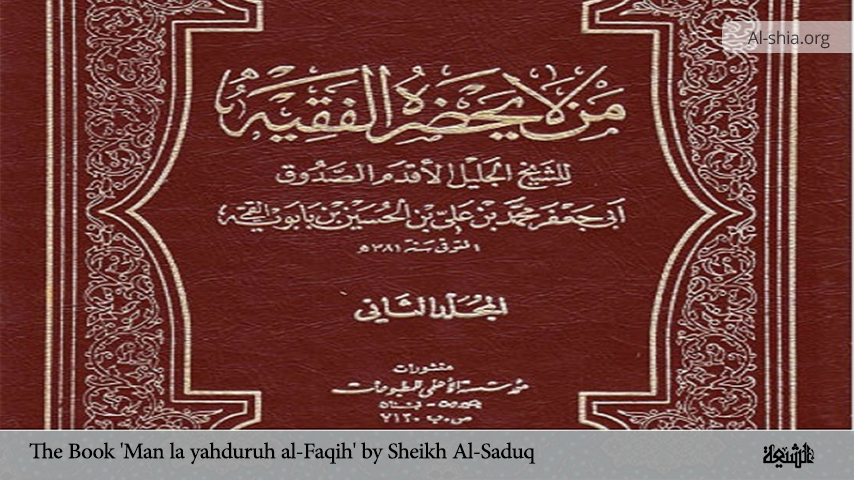
[5] . Shaykh al-Ṣadūq, Man Lā Yaḥḍuruhu al-Faqīh, vol. 4, p. 383; Shaykh al-Ṣadūq, al-Khiṣāl, vol. 2, p. 116.
[6] . Al-Barqī, al-Maḥāsin, vol. 1, p. 291.
[7] . Al-Nuʿmānī, al-Ghaybah, p. 200.
[8] . Shaykh al-Ṣadūq, Kamāl al-Dīn, vol. 1, p. 357, hadith 54.
[9] . Ibid, vol. 1, p. 319, hadith 2.
[10] . Kulaynī, al-Kāfī, vol. 8, p. 36, hadith 7.
[11] . Shaykh al-Ṣadūq, Kamāl al-Dīn, vol. 1, p. 338.
[12] . Shafīʿī Sarvestānī, Intizār: Bāydhā va Nabāydhā, p. 21.
[13] . Kulayni, al-Kāfī, vol. 1, p. 376; al-Nuʿmānī, al-Ghaybah, p. 130; Majlisi, Biḥār al-Anwār, vol. 8, p. 368.
[14] . Ibid, al-Kāfī, vol. 1, p. 371.
[15] . Ibid, vol. 1, p. 377.
[16] . Shaykh al-Ṣadūq, Kamāl al-Dīn, vol. 2, p. 5.
[17] . Qur’an 42:23. See: Najafi Jawahiri, Jawāhir al-Kalām fī Sharḥ Sharāʾiʿ al-Islām, vol. 16, pp. 86–87.
[18] . Al-Tabrisi, al-Iḥtijāj, vol. 2, p. 599.
[19] . Shaykh al-Ṣadūq, Kamāl al-Dīn, vol. 2, p. 377.
[20] . Ibid, vol. 2, p. 287.
[21] . Al-Nuʿmānī, al-Ghaybah, p. 200.
[22]. Mustashari, “Mulāqāt bā Imām ʿAṣr,” pp. 26-27.
[23] . Ibn Tawus, Iqbāl al-Aʿmāl, p. 514; Majlisi, Biḥār al-Anwār, vol. 22, p. 262.
[24] . Majlisi, Biḥār al-Anwār, vol. 94, p. 41.
[25] . Qur’an 22:41; see: al-Qummi, Tafsīr al-Qummī, vol. 2, p. 88.
[26] . Nahj al-Balāghah, Hikmah 31.
[27] . Kulayni, al-Kāfī, vol. 3, p. 422.
References:
Holy Qur’an (with the English translation: Qarai, Ali Quli (2005). The Qur’an: With a Phrase-by-Phrase English Translation (2nd edition). London: Islamic College for Advanced Studies (ICAS) Press.
Nahj al-Balāghah
- Al-Barqi, Aḥmad ibn Muḥammad ibn Khalid (1951). Al-Maḥāsin. 2nd ed. Qom: Dar al-Kutub al-Islamiyyah.
- Al-Nuʿmānī, Abi ʿAbd Allah. (1432 AH). Al-Ghaybah. Ed. Faris Hassun Karim. Beirut: Dar al-Jawadayn.
- Al-Qummi, ʿAli ibn Ibrahim. (1404 AH). Tafsīr al-Qummī. Qom: Dar al-Kitab.
- Al-Tabrisi, Ahmad ibn ʿAli. (1403 AH). Al-Iḥtijāj. Mashhad: Nashr al-Murtada.
- Farajpur, Hamid. (1404 SH). Darsi Qoftāri-hāye Tavajjuh beh Imam Zamān. Qom: Maw’ud Thaqalayn Institute.
- Ibn Manẓūr, Muḥammad ibn Mukarram. (1408 AH). Lisān al-ʿArab. Beirut: Dār Iḥyāʾ al-Turāth al-ʿArabī.
- Ibn Tawus, ʿAli ibn Musa. (1367 SH.). Iqbāl al-Aʿmāl. 2nd ed. Tehran: Dar al-Kutub al-Islamiyyah.
- Kulaynī, Muḥammad ibn Yaʿqūb. (1407 AH). Al-Kāfī. Tehran: Dār al-Kutub al-Islāmīyya.
- Majlisi, Muhammad Baqir. (1403 AH). Biḥār al-Anwār. Beirut: Dar Ihyaʾ al-Turath al-ʿArabi.
- Masāʿilī, Aḥmad and Furqānī Tehrānī, Nāhīd. (1398 SH). Sāza-yi mafhūmī intizār dar andīsha-yi Mahdawīyyat. Intizār-i Mawʿūd, No 65, Summer.
- Mustashari, Ali Reza. (1385 Sh.). “Mulāqāt bā Imam ʿAṣr”. Māhnāmeh-yi Porsman, no. 50, pp. 26–28.
- Najafi Jawahiri, Muḥammad Ḥasan. (1362 SH). Jawāhir al-Kalām fī Sharḥ Sharāʾiʿ al-Islām. Beirut: Dar Ihyaʾ al-Turath al-ʿArabi.
- Shafiʿi Sarvestani, Ibrahim. (1380 SH). “Shīʿah, Intiẓār, Waẓāʾif-i Muntaẓirān”. Māhnāmah-yi Mawʿūd, no. 49, pp. 28–34.
- Shaykh al-Ṣadūq, Muḥammad ibn ʿAli ibn Bābawayh. (1413 AH). Man Lā Yaḥḍuruhu al-Faqīh. Ed. and corrected by ʿAli Akbar Ghaffārī. 2nd ed. Qom: Daftar-i Intishārāt-i Islāmī.
- Shaykh al-Ṣadūq, Muḥammad ibn ʿAli ibn Bābawayh. (1362 SH). Al-Khiṣāl. 1st ed. Ed. and corrected by ʿAli Akbar Ghaffārī. Qom: Daftar-i Intishārāt-i Islāmī.
- Shaykh al-Ṣadūq, Muḥammad ibn ʿAli ibn Bābawayh. (1395 SH). Kamāl al-Dīn wa Tamām al-Niʿmah. Ed. and corrected by Ali Akbar Ghaffari. Tehran: Islamiyyah.
- Shaykh al-Ṣadūq, Muḥammad ibn ʿAli. (1416 AH). Kamāl al-dīn wa Itmām al-Niʿma. Qom: Dafar-i intishārāt-i Islāmī.