

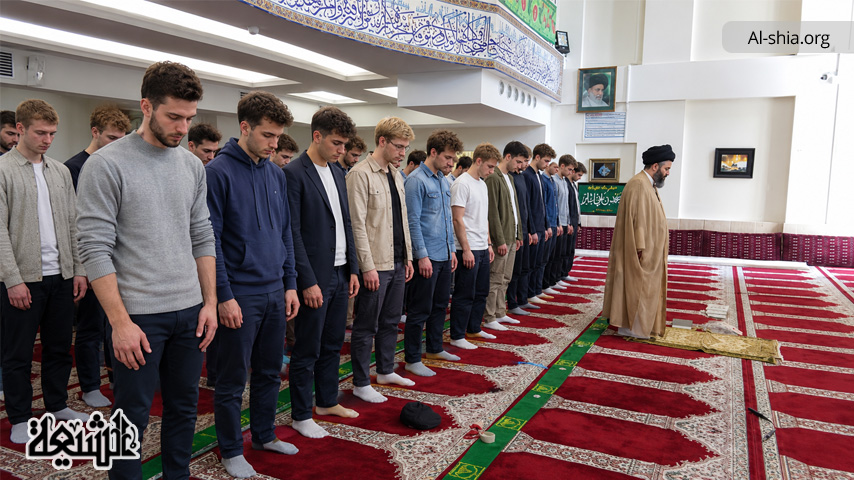

Prayer and the mosque occupy a central place in Islam, serving as vital sources of spiritual growth, moral guidance, and communal unity. While prayer strengthens the believer’s relationship with Allah and nurtures righteous character, the mosque functions as a center for worship, learning, and community development. However, many Muslim communities today face declining Muslim youth participation in congregational prayer and mosque activities. Addressing this issue requires wisdom, compassion, and an understanding of the needs and aspirations of young people, in accordance with Allah’s guidance[1]. Therefore, this article aims to explore practical ways of inspiring young people to embrace prayer and develop a lasting attachment to the mosque, thereby fostering a generation rooted in faith, strong moral values, and active participation in the Muslim community.
The Role of Prayer and the Mosque in Nurturing Muslim Youth
Prayer (Ṣalāt) is the most important act of worship in Islam[2], and the Holy Qurʾan devotes more than ninety-eight verses to the subject of prayer[3]. It is regarded as the foremost means through which believers establish a direct relationship with Allah[4], serving as the foundation of a righteous and spiritually disciplined life. Prayer (Ṣalāt) is far more than a ritual obligation; it is a source of spiritual nourishment, inner peace, moral discipline, and protection against sinful behavior[5]. Prayer strengthens the believer’s relationship with the Creator, purifies the soul[6], and serves as one of the greatest means of drawing closer to Allah[7]. Congregational prayer, in particular, fosters unity, brotherhood, mutual cooperation, and social cohesion while encouraging believers—especially Muslim youth—to remain committed to worship[8]. Likewise, observing prayer at its prescribed time reflects a believer’s eagerness to respond to Allah’s call and demonstrates discipline, devotion, and steadfastness in faith. Together, these qualities make prayer a powerful force in shaping the spiritual, moral, and ethical character of Muslim youth.
The mosque complements the role of prayer by serving as the heart of Muslim spiritual, educational, and social life. More than a place of worship, it is a center for religious learning, moral development, community service, and the strengthening of Islamic identity[9]. For Muslim youth, the mosque provides a nurturing environment where they can deepen their faith, build meaningful friendships, develop leadership skills, and engage in educational, cultural, and charitable activities that foster both spiritual and personal growth. By bringing Muslim youth together in an atmosphere of worship, learning, and positive social interaction, the mosque cultivates a lasting sense of belonging, responsibility, and service, helping to ensure that future generations remain firmly rooted in Islamic values and actively contribute to the well-being of the Muslim community.
Ways of Inspiring Muslim Youth to Embrace Prayer and the Mosque
Inspiring Muslim youth to embrace prayer and the mosque requires more than simply reminding them of their religious obligations. It calls for a holistic approach that nurtures faith through positive role models, supportive families, welcoming mosques, meaningful engagement, and compassionate guidance. By understanding the needs and aspirations of Muslim youth and creating environments that foster spiritual growth and a sense of belonging, Muslim communities can help cultivate a lifelong love for prayer and active participation in the mosque.
- Build a Strong Foundation at Home
The family is the first and most influential environment in shaping a Muslim youth’s religious identity. Parents play a crucial role in cultivating a love for prayer and the mosque by setting a positive example through their own commitment to worship. Children who regularly observe their parents praying, attending the mosque, and speaking positively about Islamic practices are more likely to adopt these habits themselves. Allah commands, “And bid your family to prayer and be steadfast in maintaining it”[10] calls parents to nurture a household in which prayer becomes a constant source of spiritual purification, inner peace, strength of character, and continual remembrance of Allah. In addition, the phrase “and be steadfast in maintaining it” conveys the need for persistence, dedication, and endurance in nurturing a household where prayer becomes a regular and cherished practice[11]. Thus, the verse highlights that guiding one’s family toward prayer is not a one-time instruction but a continuous responsibility that requires patience, consistency, and leading by example.
Likewise, the Prophet Muhammad (PBUHH) instructed parents: “Command your children to pray when they are seven years old”[12]. Rather than presenting prayer as a burden or enforcing it through harshness, parents should explain its spiritual significance and encourage their children with patience, love, and positive reinforcement.
- Understand the Needs and Aspirations of Youth
Adolescence is a period of intellectual, emotional, and social development during which young people, particularly Muslim youth seek identity, purpose, and acceptance. Effective religious guidance should therefore be compassionate and responsive to these developmental needs. The Prophet Muhammad (PBUHH) exemplified kindness and patience in guiding young people, correcting mistakes without humiliation. Allah reminds believers: “It is by Allah’s mercy that you are gentle to them; had you been harsh and hardhearted, they would have surely scattered from around you”[13]. Parents, educators, and mosque leaders should therefore prioritize empathy, dialogue, and mentorship over criticism and condemnation.
- Help Muslim Youth Appreciate the Spiritual Beauty of Prayer
Muslim youth should be taught not only that prayer is obligatory but also why it is one of Islam’s greatest blessings. Prayer is a means of remembering Allah, attaining inner peace, and developing moral excellence. Allah says, “Indeed the prayer restrains from indecent and wrongful conduct”[14], and “Behold! The hearts find rest in Allah’s remembrance!”[15] Teaching the meanings of prayer and encouraging reflection on its spiritual benefits can transform it from a routine obligation into a cherished act of worship.
- Lead by Positive Example
Muslim youth are deeply influenced by the actions of those around them. Parents, imams, teachers, and community leaders inspire youth most effectively when they demonstrate sincerity and consistency in their own worship[16]. Adults who consistently perform their prayers, attend the mosque, and display humility, kindness, and good character convey powerful lessons that often have a greater impact than words alone.
- Encourage Rather Than Discourage
Encouragement is far more effective than criticism in nurturing a lifelong commitment to prayer. Islam emphasizes hope, mercy, and positive motivation in religious education. Allah says, “Give good news to My servants”[17]. Similarly, the Prophet (PBUHH) advised, “Make matters easy and do not make them difficult; bring people peace and reassurance, and do not drive them away”[18]. Recognizing and appreciating every sincere effort—whether attending congregational prayer, memorizing Qur’an, or volunteering at the mosque—helps strengthen young people’s confidence and commitment.
- Create a Welcoming and Youth-Friendly Mosque Environment
Young people are more likely to develop a lasting attachment to the mosque when they feel welcomed, respected, and valued. The mosque should be a place where they experience warmth, encouragement, and a genuine sense of belonging rather than constant criticism or unnecessary restrictions. The Prophet (PBUHH) said, “The parts of land dearest to Allah are its mosques”[19]. Mosques can foster this welcoming atmosphere by maintaining clean and inviting facilities, providing youth-friendly spaces, encouraging respectful interactions, and gently correcting mistakes. When young people feel accepted, they are more inclined to participate actively in congregational prayer and mosque activities.
- Give Youth Meaningful Roles in the Mosque
Young people develop a stronger sense of belonging when they are trusted with meaningful responsibilities. Rather than being passive participants, they should be encouraged to contribute to mosque activities by organizing educational programs, assisting with community service, coordinating youth events, welcoming worshippers, or managing media and outreach initiatives. Entrusting Muslim youth with responsibility develops leadership skills, strengthens their attachment to the mosque, and inspires a sense of ownership and service[20].
- Organize Meaningful Educational and Social Activities
The mosque should serve as a vibrant center of learning and community life by offering activities that address the interests and needs of Muslim youth while strengthening their faith. Qur’an competitions, study circles, leadership workshops, community service projects, mentorship programs, educational excursions, and sports activities provide opportunities for youth to build friendships, develop their talents, and associate the mosque with positive and enriching experiences. Such initiatives should always reinforce Islamic values while responding to the realities of contemporary youth.
- Foster Positive Friendships
Peers exert a profound influence on the attitudes and behaviour of young people. The Prophet Muhammad (PBUHH) said, “A person follows the religion of his close companion, therefore, let each of you carefully consider whom he befriends”[21]. Mosques should therefore create opportunities for Muslim youth to develop positive friendships through study circles, volunteer initiatives, youth camps, and recreational programs. A supportive peer network often becomes one of the strongest motivations for regular prayer and mosque attendance.
- Communicate Islam in Relevant and Engaging Ways
In today’s digital age, young people are constantly exposed to diverse ideas and influences. Mosques and Islamic educators should therefore make effective use of appropriate communication platforms, including social media, podcasts, educational videos, and interactive discussions, to present authentic Islamic teachings. Religious messages should address contemporary issues such as identity, purpose, relationships, and personal development while demonstrating the relevance of prayer and the mosque to everyday life.
- Strengthen Cooperation Between Families, Schools, and Mosques
The responsibility of nurturing Muslim youth should be shared among families, educational institutions, and mosques. Parents cultivate faith at home, schools reinforce Islamic knowledge and values, while mosques provide opportunities for worship, learning, and community engagement. When these three institutions work together and communicate effectively, they provide young people with a consistent and supportive environment that reinforces the importance of prayer and active participation in mosque life.
- Support Every Effort with Sincere Supplication
While practical initiatives are essential, lasting guidance ultimately comes from Allah. Parents, scholars, and community leaders should continually pray for the guidance and steadfastness of Muslim youth. The Qur’an teaches believers to supplicate: “Our Lord! Grant us from among our spouses and offspring comfort to our eyes and make us leaders for the righteous”[22]. When sincere supplication is combined with wise guidance, positive role models, and supportive environments, it creates the conditions for young hearts to develop a lasting love for prayer and the mosque.
Conclusion
Inspiring Muslim youth to embrace prayer and the mosque is a shared responsibility that extends beyond parents and religious leaders to the entire Muslim community. It cannot be achieved through force, criticism, or unrealistic expectations; rather, it requires wisdom, patience, understanding, and genuine compassion. By working together, families, educators, mosque leaders, and the wider community can create an environment that nurtures a lifelong love for prayer and a strong attachment to the mosque.
It requires creating an environment in which Muslim youth feel welcomed, valued, and inspired to develop a personal and lasting relationship with Allah. Through positive role models, compassionate guidance, meaningful participation, and strong collaboration between families, schools, and mosques, communities can nurture a generation that views prayer not as a burden but as a source of peace, purpose, and spiritual fulfilment.
Ultimately, the goal is not merely to increase the number of Muslim youth attending congregational prayers or mosque activities, but to cultivate hearts that sincerely love Allah, His Messenger (PBUHH), and His house. When this foundation is firmly established, Muslim youth are better equipped to uphold Islamic values, contribute positively to their communities, and become future leaders who preserve and strengthen the spiritual and moral fabric of the Ummah. By investing wisely in the faith and character of today’s Muslim youth, we lay the foundation for a stronger, more vibrant, and God-conscious Muslim community for generations to come.
Notes:
[1] . Qur’an 16:125.
[2] . Muḥammadī Riyshahrī, Mīzān al-ḥikma, vol. 5, p. 370.
[3] . Nurūzī, Muqaddamaʾī bar falsafa-yi namāz, p. 116.
[4] . Ḥarrānī, Tuḥaf al-ʿuqūl, p. 455.
[5] . Qur’an 29:45.
[6] . Muttaqī al-Hindī, Kanz al-ʿUmmāl, vol. 7, p. 291.
[7] . Ḥarrānī, Tuḥaf al-ʿuqūl, p. 455.
[8] . Muvaẓẓaf Rostamī. Ravesh-hā-yi Jadhb-i Nūjavānān va Javānān bih Masājid va Namāz-i Jamāʿat, p. 38.
[9] . Muvaẓẓaf Rostamī. Ravesh-hā-yi Jadhb-i Nūjavānān va Javānān bih Masājid va Namāz-i Jamāʿat, p. 11.
[10] . Qur’an 20:132.
[11] . Faqih Imani. An Enlightening Commentary into the Light of the Holy Qur’an, vol. 9, p. 489.
[12] . Abū Dawūd. Sunan Abi Dawūd, vol. 1, p. 243, Hadith 495.
[13] . Qur’an 3:159.
[14] . Qur’an 29:45.
[15] . Qur’an 13:28.
[16] . Muvaẓẓaf Rostamī. Ravesh-hā-yi Jadhb-i Nūjavānān va Javānān bih Masājid va Namāz-i Jamāʿat, pp. 207-208.
[17] . Qur’an 39:17.
[18] . Ibn Ḥanbal. Musnad al-Imam Aḥmad ibn Ḥanbal, vol. 19, p. 341, Hadith 12333.
[19] . Muslim ibn Hajjaj. Sahih Muslim, vol. 1, p. 464, Hadith 671.
[20] . Muvaẓẓaf Rostamī. Ravesh-hā-yi Jadhb-i Nūjavānān va Javānān bih Masājid va Namāz-i Jamāʿat, pp. 165-166.
[21] . Tirmidhī. (1998). Jāmiʿ al-Tirmidhī, vol. 4, p. 316, Hadith 2378.
[22] . Qur’an 25:74.
References
Holy Qur’an (with the English translation: Qarai, Ali Quli (2005). The Qur’an: With a Phrase-by-Phrase English Translation (2nd edition). London: Islamic College for Advanced Studies (ICAS) Press.
- Abū Dawūd, Sulayman ibn Ash`ath. (1999). Sunan Abi Dawūd (1st edition). Cairo: Dar al-Hadith.
- Faqih Imani, Sayyid Kamal et al (1997). An Enlightening Commentary into the Holy Qur’an (1st edition). Translated by Sayyid Abbas Sadr-‘Ameli. Isfahan: Iman Ali Library and Research Centre.
- Ḥarrānī, Ḥasan ibn ʿAli. (1363 SH). Tuḥaf al-ʿUqūl. Qom: Daftar-i Intishārāt-i Islāmī.
- Ibn Ḥanbal, Aḥmad ibn Muḥammad. (1995). Musnad al-Imam Aḥmad ibn Ḥanbal (1st edition). Beirut: Mu’assasat al-Risalah.
- Muḥammadī Riyshahrī, Muḥammad. (n.d). Mīzān al-Ḥikmah. Qom: Dār al-Ḥadīth.
- Muslim ibn Hajjaj. (1991). Ṣaḥīḥ Muslim (1st edition). Cairo: Dar al-Hadith.
- Muttaqī al-Hindī, ʿAli. (1364 AH). Kanz al-ʿUmmāl. Hyderabad: Dāʾirat al-Maʿārif al-ʿUthmānīyya.
- Muvaẓẓaf Rostamī, Muḥammad ʿAli. (1391 SH). Ravesh-hā-yi Jadhb-i Nūjavānān va Javānān bih Masājid va Namāz-i Jamāʿat. Tehran: Setād-i Iqāmah-yi Namāz.
- Nurūzī, Muḥammad Masʿūd. (n.d.). Muqaddamaʾī bar falsafeh-yi Namāz. Tehran: Intishārāt Bayn al-Milalī-yi Yādāwarān.
- Tirmidhī, Muhammad ibn ‘Isa. (1998). Jāmiʿ al-Tirmidhī (1st edition). Cairo: Dar al-Hadith.




![The Event of Ghadir and Imam al-Mahdi [afs]](https://en.al-shia.org/wp-content/uploads/2026/06/17221.jpg)