


Eid al-Adha, also known as the Festival of Sacrifice, is one of the most significant celebrations in Islam. It commemorates the willingness of Prophet Ibrahim (peace be upon him) to sacrifice his son Isma’il as an act of obedience to God’s command. However, before Ibrahim could sacrifice his son, God provided a ram to sacrifice instead. This event is not only a testament to Ibrahim’s devotion and faith but also emphasizes the importance of sacrifice and submission to the will of Allah. In this article, we will explore the history and significance of Eid al-Adha, the rituals and practices associated with it, and the etiquettes that Muslims observe during this auspicious occasion.
History and Significance
Eid al-Adha is a time of joy, feasting, and gratitude for Muslims around the world. Beyond the celebrations, it carries profound spiritual significance, focusing on acts of worship, charity, and community. However, it is pertinent to mention that Eid al-Adha is not only a time of celebration but also a period of reflection on faith and sacrifice in Islam. It serves as a reminder of the profound obedience and faith demonstrated by Prophet Ibrahim and the importance of submission to God’s will. This event is prominently mentioned in the Qur’an and is a significant part of Islamic tradition.
According to Islamic tradition, Prophet Ibrahim had a dream where he saw himself sacrificing his son Isma’il[1]. He knew that the Prophets’ dream was true and it was far from the Satanic temptations. Yet the same dream was repeated two times more, which was an emphasis on the necessity of that action as well as its urgency[2]. Ibrahim discussed this with his son, who willingly agreed to be sacrificed. As Ibrahim prepared to carry out the act, God intervened and provided a ram to sacrifice instead[3].
In light of this, Eid al-Adha signifies the importance of obedience, submission, and faith in God. It is a celebration of Ibrahim’s ultimate act of devotion and God’s mercy and provision. Eid al-Adha emphasizes the importance of sacrifice, submission to the will of God, and the values of generosity and compassion towards others, especially the less fortunate.
Date and Timing
Eid al-Adha, also known as the Festival of Sacrifice, marking the end of the Hajj pilgrimage and commemorating Prophet Ibrahim’s willingness to sacrifice his son as an act of obedience to God is celebrated on the 10th day of Dhu al-Hijjah, the twelfth month of the Islamic lunar calendar[4].
The timing of Eid al-Adha coincides with the annual Hajj pilgrimage to Mecca, the fifth pillar of Islam. The Hajj pilgrimage takes place during the first ten days of Dhu al-Hijjah, culminating in the celebration of Eid al-Adha.
The date of Eid al-Adha varies each year because the Islamic calendar is lunar-based, meaning it follows the cycles of the moon rather than the Gregorian solar calendar. Therefore, the timing of Eid al-Adha shifts approximately 10 to 12 days earlier each year in the Gregorian calendar.
Eid al-Adha is observed over several days, typically three days in most Muslim-majority countries. The first day of Eid al-Adha is the most significant, marked by the Eid prayer and the beginning of the Qurbani (sacrifice) rituals.
Preparation and Planning
Eid al-Adha, the Festival of Sacrifice, is a joyous occasion for Muslims worldwide. The preparation and planning for Eid al-Adha involve spiritual and cultural practices, ensuring that Muslims observe the occasion with reverence, joy, and generosity with family, friends, and the community.
- Cleaning and Grooming: Before Eid al-Adha, Muslims engage in thorough cleaning and grooming. This tradition, known as “Ghusl,” involves a ritual bath that symbolizes spiritual cleanliness and purity. It is customary to wear new or best clothes on the day of Eid to mark the occasion with joy and respect (Sunna of Eid).
- Shopping and Decorating: In the days leading up to Eid al-Adha, families shop for new clothes, accessories, and gifts for loved ones. Houses are often adorned with decorations, and markets bustle with activity as people prepare for the festivities.
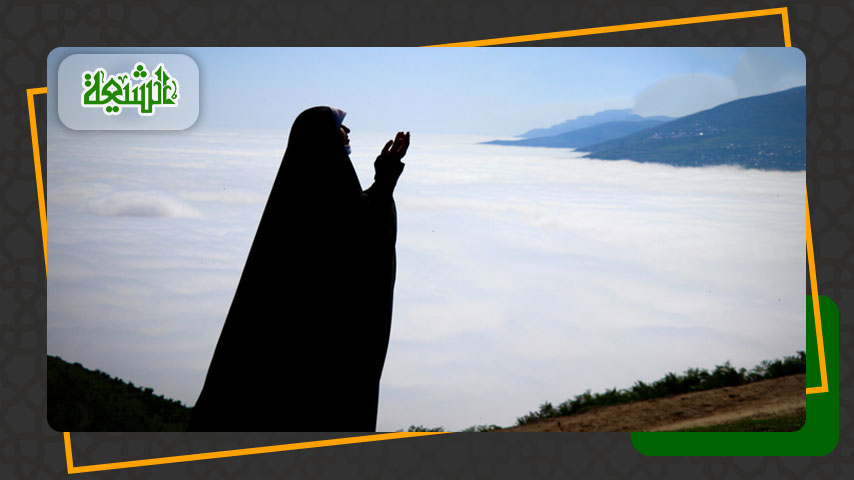
- Preparing for the Eid Prayer: On the morning of Eid al-Adha, Muslims gather in mosques or open prayer grounds for the special Eid prayer (Salat al-Eid). It is Sunnah (recommended) for Muslims to eat an odd number of dates before leaving for the Eid prayer.
- Qurbani (Sacrifice) Preparation: Qurbani, the ritual sacrifice of an animal (usually a sheep, goat, cow, or camel) in commemoration of Prophet Ibrahim’s willingness to sacrifice his son Isma’il, is a significant aspect of Eid al-Adha. Muslims who can afford it are encouraged to perform Qurbani and distribute the meat to family, friends, and those in need.
- Food Preparation: Eid al-Adha is an occasion for feasting and sharing meals with family and neighbours. Special dishes and sweets are prepared, often including meat from the Qurbani, to be enjoyed during and after the festivities.
- Charitable Acts: Charity (Sadaqah) and giving to those in need are integral to Eid al-Adha. Muslims are encouraged to donate to charities and give to the poor, ensuring that everyone can participate in the celebrations.
- Visiting Family and Friends: During Eid al-Adha, families and friends visit each other to exchange greetings (Takbir of Eid) and gifts. This strengthens social ties and fosters a sense of community spirit.
- Avoiding Wastefulness: While enjoying the celebrations, Muslims are reminded of the importance of avoiding extravagance and wastefulness. It is encouraged to strike a balance between celebration and modesty, keeping in mind the spirit of sacrifice and charity.
Eid al-Adha Prayer (Salat al-Eid)
Eid al-Adha, the Festival of Sacrifice, is celebrated with a special congregational prayer known as Salat al-Eid. The Eid al-Adha prayer is performed after sunrise, generally around 15-20 minutes after sunrise, and before the Zuhr prayer[5]. It is recommended to perform the prayer as early as possible on the day of Eid.
Similar to other prayers, one should make the intention (Niyyah) for the Eid al-Adha prayer. The intention can be made silently in the heart. The Eid al-Adha prayer consists of two units (Rak’at). Each unit is performed similarly to the regular prayer, with the recitation of Surah Al-Fatihah and another Surah in the first unit, followed by Surah Al-Fatihah and another Surah or some verses of the Quran in the second unit.
After completing the prayer, there is a sermon (Khutbah) delivered by the Imam or the person leading the prayer. The Khutbah consists of two parts with a short pause in between. It usually includes praise for Allah, blessings upon the Prophet Muhammad (peace be upon him and his family), and advice for the community[6]. It is recommended to perform a Ghusl (ritual bath) before attending the Eid prayer[7].
Sacrifice (Qurbani)
Qurbani, also known as Udhiyah in Arabic, refers to the ritual sacrifice of animals during the days of Eid al-Adha. The word Qurbani comes from the Arabic root “Qurban,” which means nearness or closeness, indicating the act of bringing oneself closer to Allah through sacrifice.
Qurbani is a deeply rooted tradition in Islam, commemorating the willingness of Prophet Ibrahim (Abraham) to sacrifice his son Isma’il (Ishmael) in obedience to Allah’s command. Therefore, Qurbani is a demonstration of one’s willingness to sacrifice one’s dearest possessions for the sake of Allah.
Eid al-Adha Etiquettes
Eid al-Adha, the Festival of Sacrifice, is marked by various etiquettes that Muslims observe to celebrate the occasion with reverence and joy. Understanding these etiquettes enriches the experience and helps to maintain the spirit of the festival.
1. Dress Code and Modesty
– Importance of wearing clean and modest attire
– Sunnah of wearing new or best clothes on Eid
2. Exchanging Greetings and Well-Wishes
– Tradition of saying “Eid Mubarak” and “Takbir of Eid”
– The significance of spreading happiness and good wishes
3. Offering Eid Prayers
– Performing the Eid prayer (Salat al-Eid) in congregation
– Listening to the sermon (Khutbah) after the prayer
4. Avoiding Wastefulness and Extravagance
– Balancing celebration with moderation and simplicity[8]
– Emphasizing the spirit of sacrifice and charity
5. Acts of Kindness and Generosity
– Giving gifts and sharing meals with family, friends, and neighbours
– Distributing Qurbani meat to the needy and less fortunate
6. Visiting Family and Friends
– Strengthening ties of kinship (Sila Rahim) by visiting relatives and friends
– Expressing love, care, and respect towards elders and youngsters
7. Observing Islamic Manners
– Adhering to Islamic manners and etiquette throughout the celebrations[9]
– Upholding principles of honesty, integrity, and compassion
8. Reflecting on the Significance of Eid al-Adha
– Engaging in reflection and gratitude for the blessings of Allah
– Learning and teaching the lessons of Prophet Ibrahim’s devotion and obedience
9. Repetition of Takbirs
– The famous Takbirs of this Eid should be recited: those who are present in the desert of Mina on this day, must recite these Takbirs after 15 daily prayers, starting from the noon prayer on the day of Eid and ending in the dawn prayer of the 13th of Dhu al-Hijjah; however, those who are not present in the desert of Mina on Eid’s day, recite the Takbirs after ten daily prayers, starting from noon prayer of Eid’s day, to the dawn prayer of the 12th of Dhu al-Hijjah[10].
Conclusion
Eid al-Adha, the Festival of Sacrifice, holds deep spiritual and communal significance for Muslims worldwide. It commemorates the willingness of Prophet Ibrahim (peace be upon him) to sacrifice his son Isma’il in obedience to Allah’s command, as well as Allah’s mercy in providing a ram as a substitute. Beyond its historical and religious importance, Eid al-Adha is a time for Muslims to strengthen their faith, foster unity among family and community, and practice generosity towards those in need.
Throughout the celebrations, Muslims observe various etiquettes and traditions that embody the values of compassion, gratitude, and selflessness. From dressing modestly and exchanging greetings to performing the Eid prayer and engaging in acts of charity, these etiquettes serve to enhance the spiritual experience and uphold the teachings of Islam.
As we celebrate Eid al-Adha, let us reflect on the lessons of Prophet Ibrahim’s unwavering faith and devotion. Let us strive to embody these values in our daily lives, showing kindness and compassion to all, regardless of background or circumstance. By upholding these traditions and etiquettes, we honour the spirit of sacrifice and unity that Eid al-Adha represents. May this Eid al-Adha bring joy, peace, and blessings to you and your loved ones. Eid Mubarak!
For the recommended acts, click: https://en.al-shia.org/?p=9407&preview=true&preview_id=9407
References
[1] . Qur’an 37: 102.
[2] . Faqih Imani, An Enlightening Commentary into the Light of the Holy Qur’an vol. 15, p. 324.
[3] . Qur’an 37: 107.
[4] . ‘Uyūn Akhbār al-Riḍā, vol. 2, p. 365.
[5] . Sheikh Abbas Qummi, Mafatih al-Jinan.
[6] . Sheikh Abbas Qummi, Mafatih al-Jinan.
[7] . Ibn Tawus, Iqbāl al-Amāl, vol. 3, p. 268.
[8] . Quran 7:31.
[9] . Quran 17:37.
[10] . Kulaynī, Muḥammad ibn Yaʿqūb, al-Kāfī, vol. 4, p. 517.

![The Event of Ghadir and Imam al-Mahdi [afs]](https://en.al-shia.org/wp-content/uploads/2026/06/17221.jpg)